You’ve descended Kilimanjaro. Your legs are heavy, your appetite is huge, your skin is windburned, and you’re probably a little emotional. Now comes the question most climbers underestimate in their planning: what next?
Some people fly home the next day. Some extend for a safari. Some go to Zanzibar. Some spend a slow week in Moshi, eating real food and sleeping a lot. All of these are valid. But they’re not equivalent — what you do next shapes whether you arrive home rested and satisfied or jet-lagged and depleted with the mountain still in your legs.
This guide walks through the post-Kilimanjaro options, how much time each takes, and how to think about the trade-offs. It’s written for anyone who’s either finalising a trip now or rethinking whether to add a few days after the climb.
First Things First: Don’t Fly Home the Day After Descent
The single most common planning mistake we see: flights booked for the day after the climb ends, or worse, the same day.
Here’s why this is almost always a bad idea.
When you come off the mountain, you are tired. Not normal tired — a multi-day, altitude-accumulated, physically depleted tired. Your sleep has been poor. You’ve been cold, stressed, under-fed in the last 48 hours (appetite drops at altitude), and you’ve exerted hard on summit night. Your immune system is compromised. You’re dehydrated.
Flying within 24 hours of descent adds:
- Long airport transfers.
- More cabin time with recirculated air and low humidity.
- Further sleep disruption.
- No opportunity to process the experience.
The result: you arrive home wrecked. Many climbers catch a cold or flu in the week after returning — not because of the mountain, but because of the compounded travel fatigue.
Minimum recommendation: One full rest day in Moshi after descent before any flight.
Better: Two nights in Moshi, or one night in Moshi plus moving to a beach or safari location.
Best: A proper multi-day decompression built into the trip.
The recovery from climbing Kilimanjaro guide covers the physical side of this in more detail.
The Main Post-Kilimanjaro Options
Four broad categories of what to do next, covering most realistic itineraries.
Option 1: Rest in Moshi
Time needed: 1–3 nights minimum; up to a week if you want to properly decompress locally.
Good for: Budget-conscious travellers, people who want to unplug without moving, those interested in Chagga culture and the foothills experience.
Moshi is a small, walkable town in the shadow of the mountain. It has good restaurants, a handful of bars, some solid coffee shops, and a relaxed pace. After a week at altitude, a few days eating well, sleeping in, and doing easy day trips is genuinely restorative.
Things to do in and around Moshi:
- Materuni Waterfalls. About an hour out of town. A short hike through Chagga villages to an 80m waterfall. Can combine with a coffee tour at a local farm. Half to full day.
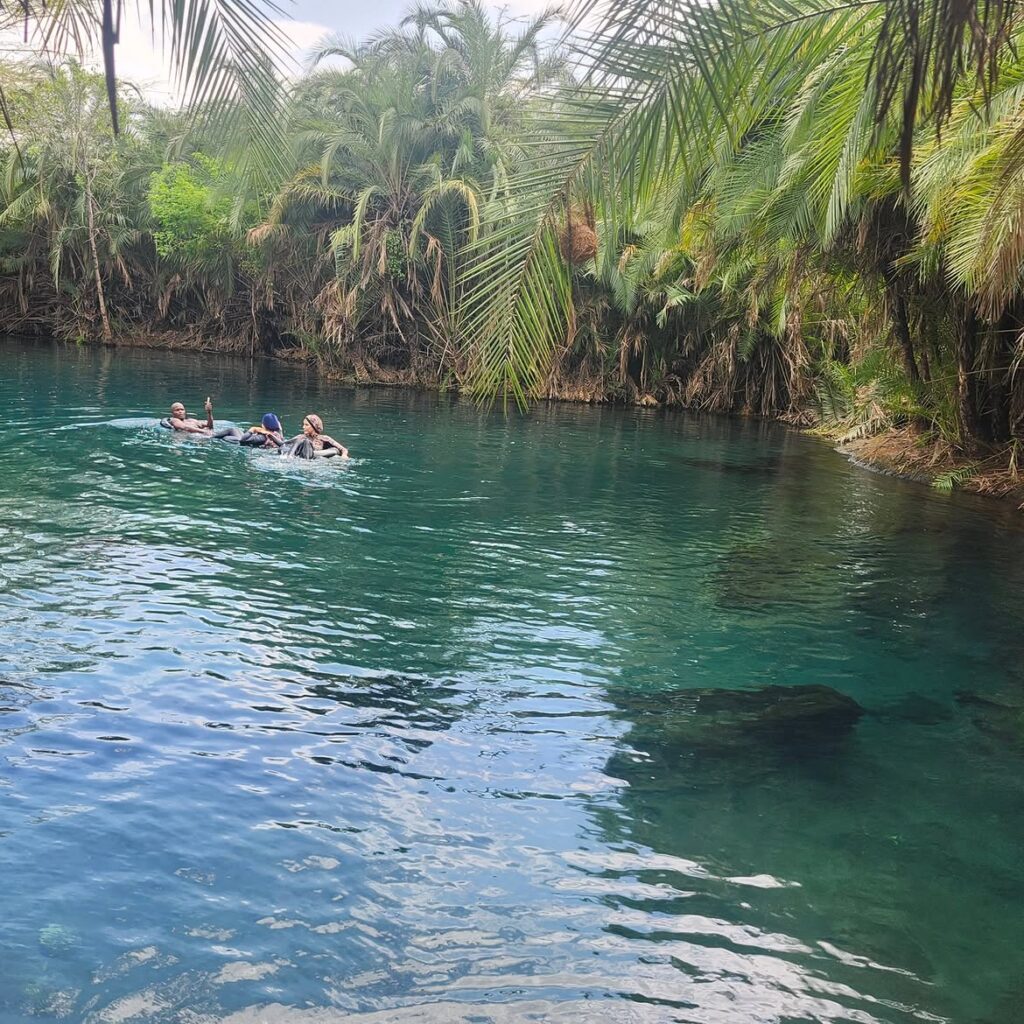
- Kikuletwa (Chemka) Hot Springs. A set of crystal-clear spring-fed pools near Boma Ya Ng’ombe, about an hour from Moshi. Excellent for swimming and post-climb muscle relief. Half day.
- Coffee tour. At a Chagga family farm in the foothills. Pick beans, process, roast, brew. The best versions are on working kihamba farms where you see the whole cycle. Half day.
- Ekanubi Underground. A visit to the traditional Chagga cave complex — a distinctive historical and cultural site. Half day. (More context in who are the Chagga people.)
- Mbuyuni Market. The main produce and goods market in central Moshi. Chaotic, sensory, very local. Morning is most active.
- Moshi coffee shops. A minor but real pleasure — Moshi is a coffee town and several independent shops serve excellent Arabica. Union Café, Aroma Café, and a few others.
The Moshi-based option is underrated. If your priority is rest, recovery, and a week that winds down naturally, it works.
Option 2: Safari — Northern Tanzania
Time needed: 2–5 days typical; more for comprehensive itineraries.
Good for: First-time Africa visitors, wildlife photography enthusiasts, anyone who wants the complete “Tanzania” experience in one trip.
Northern Tanzania is home to some of the most famous wildlife reserves in the world. A few days of safari after Kilimanjaro pairs exceptionally well with the climb — you’ve seen the mountain ecosystems up close, now you see the plains and crater systems where the big animals live.
The main parks:
- Ngorongoro Crater. A collapsed volcanic caldera 20km across, with a self-contained ecosystem that includes black rhino, lion, elephant, buffalo, and huge herds of wildebeest and zebra. A single day is enough to see most of it. Driving down into the crater is unforgettable.
- Serengeti National Park. The iconic East African plain. Timing matters for the wildebeest migration — December through July the herds are in the southern Serengeti and the Ndutu area; July through November they’ve moved north into the Mara region. Allow 2–4 days for a proper Serengeti experience.
- Tarangire National Park. Elephant country. Large herds, baobab trees, good birding. A day trip from Arusha or a short stay makes sense.
- Lake Manyara National Park. Smaller, lake-oriented, often combined with Tarangire on a 1–2 day loop. Famous for tree-climbing lions (sometimes) and large flamingo populations (seasonally).
Most post-Kilimanjaro safari extensions are either:
- 2–3 day “short safari”: Lake Manyara + Tarangire + Ngorongoro. A solid introduction.
- 4–5 day “northern circuit”: Lake Manyara or Tarangire + Ngorongoro + 2–3 days Serengeti. The most popular longer extension.
- 7+ days: Comprehensive northern circuit with more time in each park and often a flight in/out of the Serengeti.
Important post-climb consideration: Safari lodges and mobile camps generally offer real beds, real meals, and proper rest. A safari can be a very restful “next step” from the mountain — you’re being driven, not walking, and food and accommodation are all arranged. It’s not as sedentary as a beach, but it’s not demanding either.
Kilimanjaro Sky can arrange a full safari extension as part of a combined package — so your entire trip is coordinated under one booking.
Option 3: Zanzibar
Time needed: 3–7 nights, with 4–5 as the sweet spot.
Good for: Almost everyone. Beach recovery, cultural immersion, and a dramatic change of scene from the mountain.
The most popular post-Kilimanjaro extension, and for good reason. Zanzibar’s warm sea, white sand, and slow pace make it close to medically ideal for post-altitude recovery. Add in the cultural heft of Stone Town, the spice agriculture, and some of the best snorkelling in the Indian Ocean, and you have a trip that completes the Tanzania experience.
A 1-hour flight from Kilimanjaro to Zanzibar makes the logistics easy. For a detailed guide, see the Zanzibar and Kilimanjaro combined trip guide.
Key Zanzibar options:
- Stone Town: Historic Swahili trading city. UNESCO site. 1–2 nights is plenty.
- North coast (Nungwi, Kendwa): White-sand beach, tide-independent swimming, developed resort infrastructure. 3–5 nights.
- East coast (Paje, Jambiani, Matemwe): Slower pace, kiteboarding, tidal beaches. 3–5 nights.
- Mnemba Atoll: Exceptional snorkelling and diving, usually a day trip.
For most climbers, 4–5 nights in Zanzibar — typically 1–2 nights in Stone Town and 2–3 on the beach — is the sweet spot.
Option 4: The Full Combination — Safari + Zanzibar
Time needed: 10–14 days after the climb.
Good for: Travellers making one long-haul trip to Tanzania and wanting the complete experience. Most common for people travelling from the US.
The classic extended itinerary:
- Climb Kilimanjaro: 6–8 days on the mountain.
- One rest day in Moshi: Recovery and transfer.
- 3–4 day safari: Tarangire or Lake Manyara, Ngorongoro, Serengeti.
- Fly to Zanzibar: 5 nights on the beach, including a day or two in Stone Town.
- Fly home from Zanzibar (via Dar or Nairobi).
Total trip: roughly 18–22 days from home to home. Expensive, time-intensive, and the most complete way to experience northern Tanzania. Many people who make the trip once don’t return for a decade; the full combination captures the whole country in one journey.
Shorter, More Focused Options
Not everyone has three weeks. If you have less time for extensions:
2–3 Day Options
- 1 night Moshi + short Ngorongoro day trip. Ambitious but doable. Drive to Ngorongoro, spend a day in the crater, return.
- 1 night Moshi + 2 nights Zanzibar. Quick beach reset.
- 2 night Moshi + short Materuni and coffee tour combo. Lowest-effort option.
4–5 Day Options
- 1 night Moshi + 3 nights Zanzibar. Best quick beach option.
- 4 day mini-safari + fly home. Lake Manyara, Tarangire, Ngorongoro over three days.
- 2 nights Moshi + 2 nights Ngorongoro lodge. Split focus but genuinely restful.
Week+ Options
- 5 day safari + 2 nights Moshi. Full safari, then decompress before flying.
- 5 nights Zanzibar + 2 days Moshi. Maximum beach, minimum rush.
- Combined safari and Zanzibar with shorter versions of each.
Things to Build Into Your Post-Climb Schedule Regardless
No matter which extension you choose, a few post-climb priorities apply universally.
Eat and Hydrate Seriously
Your body is asking for food and water. Eat well — Moshi, Zanzibar, and safari lodges all serve better food than camp cooking. Hydrate aggressively for at least 48 hours after descent. Avoid alcohol for the first 24–36 hours — it dehydrates you further and hits harder at altitude-adjusted systems. See drinking water on Kilimanjaro for more on the hydration side.
Sleep
The first night off the mountain, you will sleep like you haven’t slept in years. Let yourself. No early flight. No 6am safari start. Let the body do its recovery.
Massage or Bodywork
Several good massage therapists work in Moshi hotels and Zanzibar resorts. A 60–90 minute massage the day after descent helps sore muscles, lymphatic drainage, and general unwinding. Highly recommended.
Medical Check
If you had altitude symptoms, a persistent cough, or any lingering health concern from the climb, get it checked. KCMC Hospital in Moshi handles medical tourism cases regularly. Your operator can arrange this. Most issues resolve with rest, but it’s worth getting cleared before a long flight.
Celebrate
You climbed Kilimanjaro. That’s not nothing. Have dinner with your group. Raise a glass (after 24 hours). Share the story with people who were on the mountain with you. Some of the best memories from the trip come from the post-climb dinners, not the mountain itself.
Cultural Experiences Worth Building In
Beyond safari and Zanzibar, several cultural options round out a Tanzania trip if you have time and interest.
Ekanubi Underground and Chagga Culture
A deep-dive into Chagga history and culture via the underground cave complex near Moshi. Direct engagement with the people whose mountain you’ve just climbed. (Background: who are the Chagga people of Kilimanjaro.)
Coffee Tours and Farm Visits
Kilimanjaro is one of Tanzania’s premier coffee-producing regions. A coffee farm tour — picking, processing, roasting, tasting — is sensory and specific. Best done in the foothills, where the kihamba agricultural system is still in active use.
Maasai Village Visits
A number of operators run Maasai village experiences in the Arusha region. The quality varies significantly — some are thoughtful and genuinely informative, others are heavily commodified. Ask specifically about what the experience includes, how the village benefits, and what you’ll actually see. Well-done Maasai visits are worthwhile; rushed tourist-trap versions are not.
Lake Chala and Lake Jipe
Two lesser-known lakes on the Kenyan border, good for a day trip if you want something more off the main tourist path. Lake Chala is a strikingly blue crater lake; Lake Jipe is larger and less developed.
The Mountain Biking Option
If you want something physical but less demanding than hiking more mountains, mountain biking in the Kilimanjaro foothills is a unique option. Multi-day bike trips on the lower slopes of Kilimanjaro and the Kilema Route (one of the few places bikes can actually ascend the mountain) are operated by specialists. See the mountain bike Kilimanjaro guide for details.
Planning the Return Flight
A practical point people often get wrong: when you book your outbound flight to East Africa, book the return date with buffer.
If you’re flying home from JRO: leave at least one full day between descent and your departure. Better: two.
If you’re flying home from Zanzibar or via Nairobi: factor in your extension plus at least one buffer day before flight.
If you’re travelling with a group and want consistency, book the longest buffer that works for the group — one late-leaver is more pleasant than a stressed-out early-leaver.
The how to get to Kilimanjaro guide covers flight routing in detail, including return options from JRO and Zanzibar.
The Most Common Configurations
Based on Kilimanjaro Sky climbers, the most popular post-climb setups:
- Climb + 5 days Zanzibar (roughly 40% of clients who extend)
- Climb + 4 day safari + 5 days Zanzibar (roughly 25%)
- Climb + 3 day safari, fly home (roughly 15%)
- Climb + 2 rest days in Moshi, fly home (roughly 15%)
- Everything else (roughly 5%)
The “climb and Zanzibar” combo is popular because it’s simple, restorative, and it makes the whole trip feel like a holiday rather than an expedition. The full combo is the most ambitious and most complete. The Moshi-and-home approach is the most efficient for time- or budget-constrained climbers.
A Short Framework for Deciding
Ask yourself three questions:
1. How much time and budget do I have? A week total vs three weeks total changes everything. Work backwards from what you can actually do.
2. What did I come to Tanzania for? If it’s the mountain and you don’t care about more, go home. If Tanzania is a bucket item beyond Kilimanjaro, add the safari. If you want pure recovery, Zanzibar.
3. What’s my recovery style? Active recovery (safari, exploring Moshi) vs passive recovery (beach, resort)? Both are valid.
For most climbers, the combined safari and Zanzibar option is the richest but also the most demanding to plan. Single-focus extensions (just safari, or just Zanzibar, or just Moshi rest) are simpler to execute and easier to afford.
One Practical Recommendation
If you’re genuinely unsure what to do after the climb, default to Zanzibar. It’s restorative, it’s straightforward to book, the logistics are easy, and it’ll give you the most complete contrast with the mountain — cold and altitude on one end, sea and warmth on the other. Very few climbers who include Zanzibar regret it. Many who skipped it wish they hadn’t.
Kilimanjaro Sky can coordinate climb, safari, and Zanzibar extensions under a single booking with integrated transfers — see the packages page for the combined options. Or plan it yourself using the guides linked throughout this post.
Either way, don’t fly home the day after descent. The mountain gives you something. Give your body — and the memory — a few days to catch up.