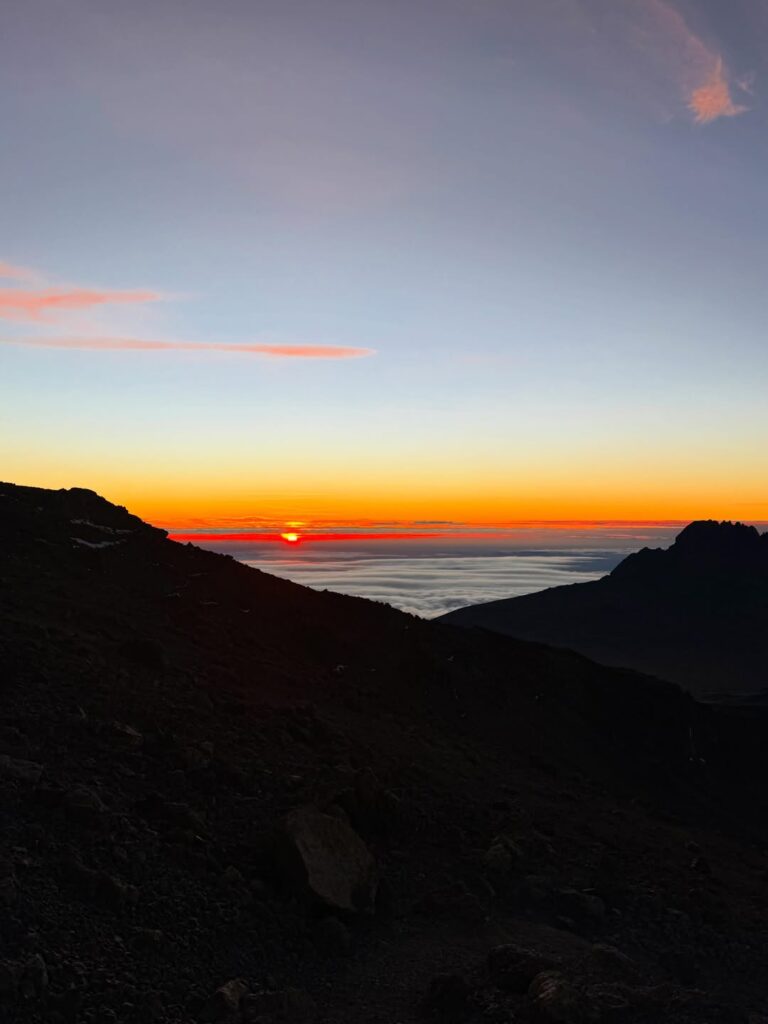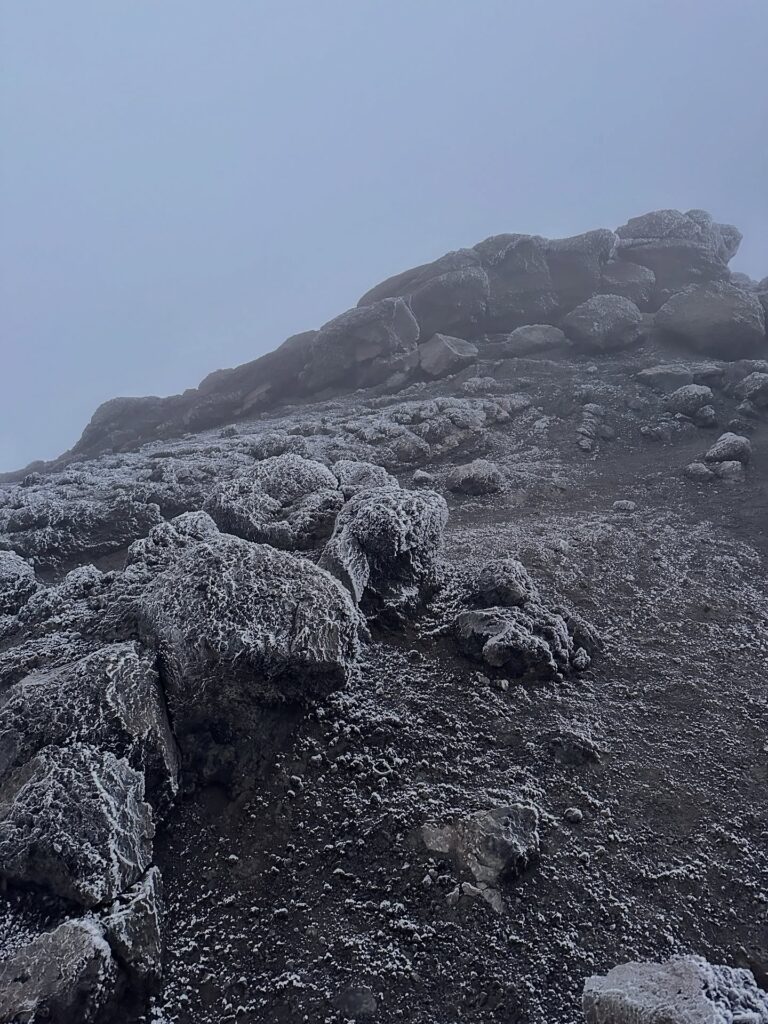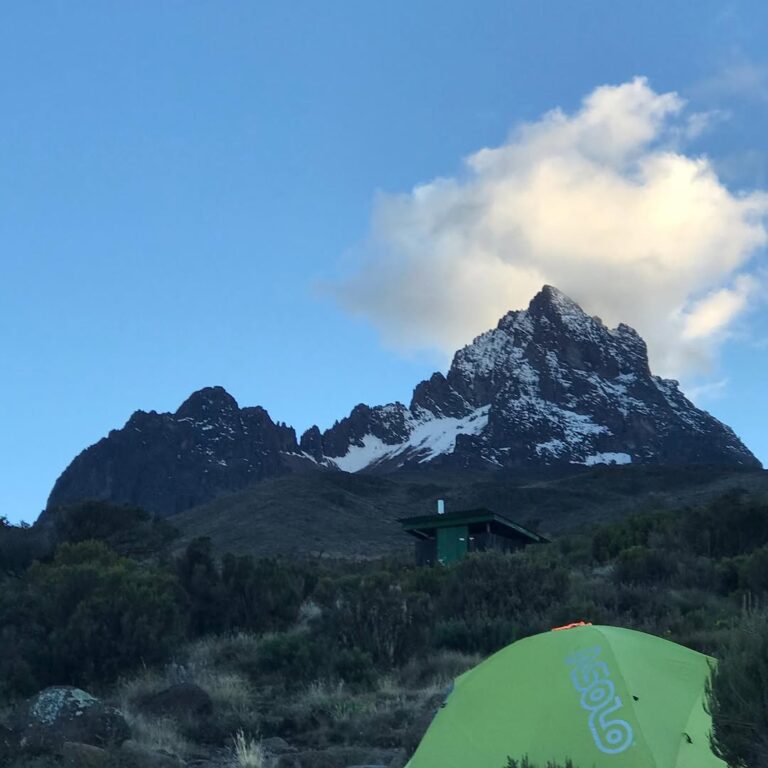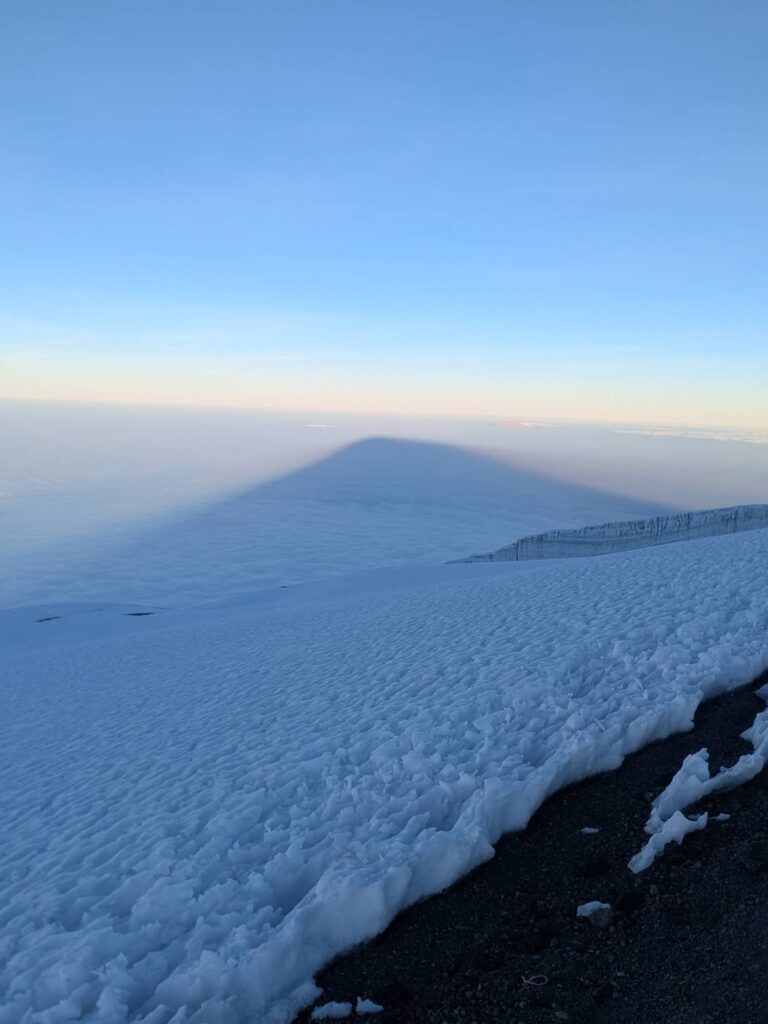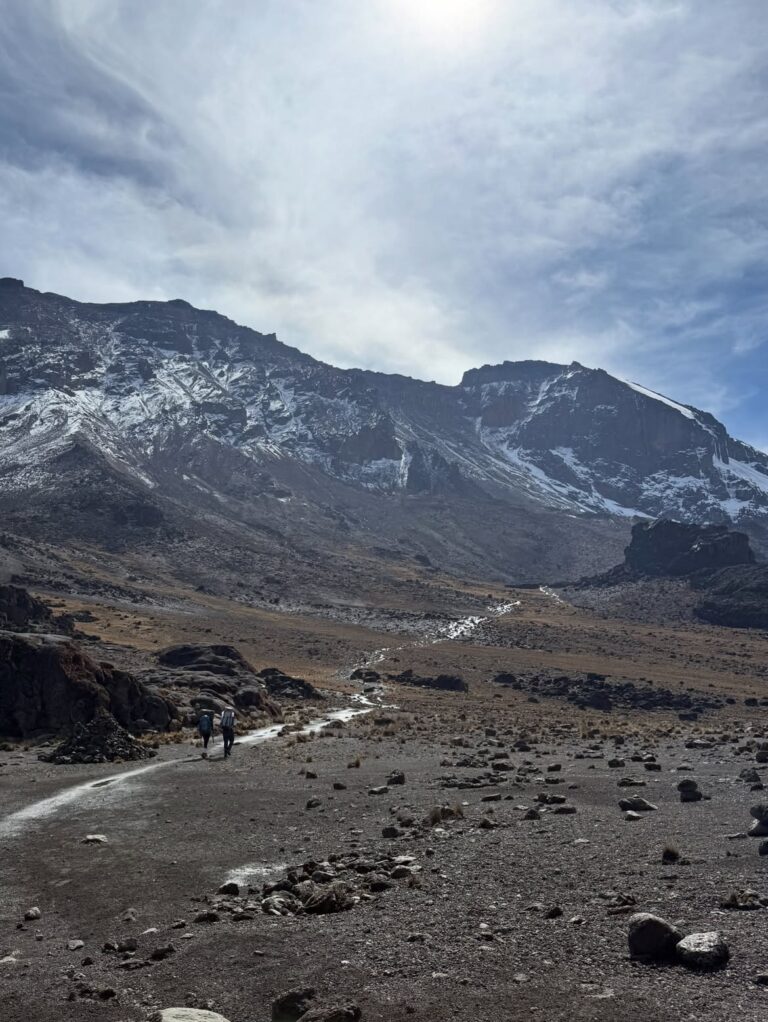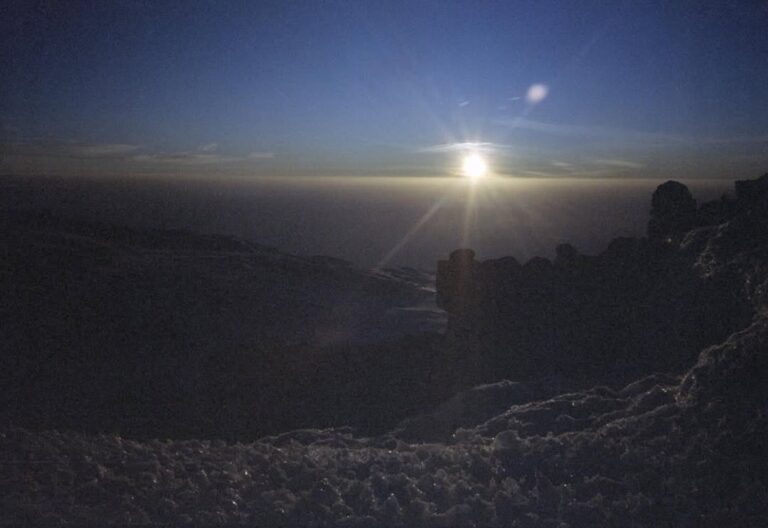
Mount Kilimanjaro is one of the most famous mountains on Earth. Not the tallest — Everest, K2, and roughly a dozen other peaks are higher. Not the hardest — technical climbers would rank it low on their list of difficult climbs. Not the most dangerous.
And yet it’s instantly recognisable: the snow-capped summit rising alone from African plains is one of the most iconic images in travel and photography. It attracts 35,000 to 50,000 climbers a year from almost every country on Earth. It’s been the subject of Hemingway stories, IMAX films, documentaries, and more celebrity climbs than any mountain of comparable technical difficulty.
Why? The answer is seven specific things, most of them geographical, that combine to make Kilimanjaro unlike any other major mountain on the planet.
1. It’s the Highest Mountain in Africa
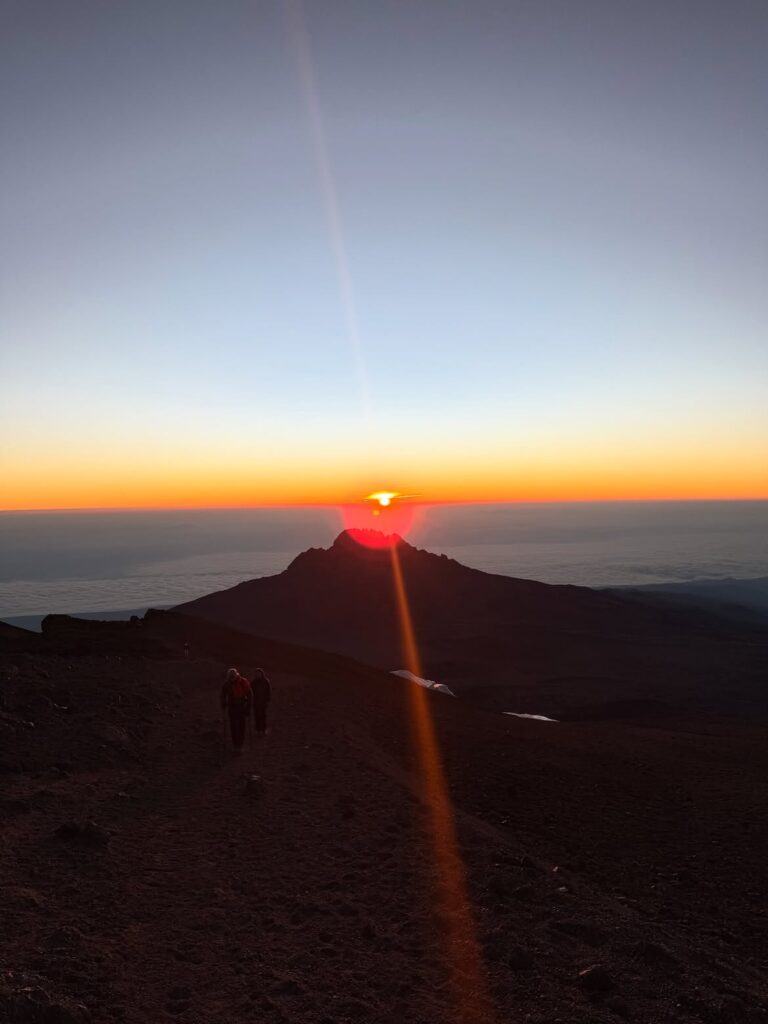
The simplest reason. Kilimanjaro’s summit, Uhuru Peak, sits at 5,895 metres (19,341 feet) above sea level — the highest point on the African continent. That makes it one of the Seven Summits, the highest point on each of the seven continents, which is one of the most famous mountaineering challenges in the world.
For serious mountaineers pursuing the Seven Summits, Kilimanjaro is usually the entry point — a non-technical peak that tests altitude tolerance and endurance without requiring rope work, crampons, or high-altitude mountaineering skills. That positioning brings thousands of climbers every year who then tell the story of their climb.
Our post on how tall Kilimanjaro is covers the altitude in context, including comparisons with the other Seven Summits.
2. It’s the Tallest Freestanding Mountain in the World
This is the fact most people don’t fully appreciate until they see it.
Most of the world’s great mountains are part of ranges. Everest sits in the Himalayas, surrounded by other high peaks. Denali is in the Alaska Range. Aconcagua is in the Andes. The visual effect is dramatic, but the base of the mountain is lost in the surrounding terrain.
Kilimanjaro rises alone, from plains at roughly 900 metres to a summit of 5,895 metres (19,340 ft). The vertical relief from base to summit is roughly 5,000 metres (16,404 ft) — one of the largest of any single mountain on the planet. From the plains of Amboseli in Kenya, or from Moshi at the southern base, you can see the entire mountain from base to summit in a single view. No other mountain of this height offers that.
This is why Kilimanjaro is one of the most photographed mountains in the world. The combination of massive vertical relief, a symmetrical volcanic shape, and flat plains in the foreground produces images that no mountain in a range can match.
3. It Has Snow and Glaciers at the Equator
Kilimanjaro sits three degrees south of the equator. On satellite imagery, you can see dense tropical farmland and rainforest at the base, then a snow-capped summit almost directly above it. That juxtaposition — ice and equatorial heat in the same frame — is geographically unique.
The glaciers at the summit are the remnants of ice sheets that have been on the mountain for tens of thousands of years. They’re now retreating fast — roughly 80% of the ice mass that existed in 1912 has melted — but they remain one of the defining features of the mountain.
For photographers and filmmakers, the glaciers at the equator are irresistible. For climbers, walking past glacial walls near Uhuru Peak after days in tropical rainforest is one of the experiences that gives Kilimanjaro its mythic quality.
4. It’s Accessible to Non-Technical Climbers
Of the Seven Summits, Kilimanjaro is the most accessible. It requires no technical climbing skill — no rope work, no crampons on standard routes, no ice climbing, no rock climbing. It’s a long, high-altitude trek rather than a mountaineering expedition.
This accessibility is a huge part of the mountain’s fame. Most people who have climbed Kilimanjaro are not professional mountaineers — they are doctors, teachers, retired grandparents, office workers, fundraisers, and teenagers on gap years. The mountain sits in a narrow band of accessibility: tall enough to be a serious challenge, but low enough (and non-technical enough) that ordinary people can attempt it with the right preparation and support.
This doesn’t mean the climb is easy. Roughly a quarter to a third of climbers don’t reach the summit, usually because of altitude sickness. Fitness benchmarks matter — we recommend climbers be able to run 10 kilometres in an hour or equivalent before attempting the climb. Our posts on how hard it is to climb Kilimanjaro and the average age to climb Kilimanjaro cover this honestly.
5. Ernest Hemingway Put It on the Literary Map
In 1936, Ernest Hemingway published “The Snows of Kilimanjaro,” a short story about a dying writer reflecting on the choices of his life while looking up at the mountain from the plains below. It opens with the Maasai name for the summit — Ngáje Ngài, “House of God” — and a reference to a real frozen leopard found near the summit in the 1920s.
The story became one of Hemingway’s most famous. It was adapted into a 1952 film starring Gregory Peck. “The snows of Kilimanjaro” became a phrase in its own right, evocative shorthand for something remote, elemental, and worth looking up at from wherever you are.
You can argue that the Hemingway connection sold Kilimanjaro to the English-speaking world more effectively than any tourism campaign ever could. It set the mountain’s cultural position as a place of reflection, endurance, and mortality — themes that still resonate with most climbers today.
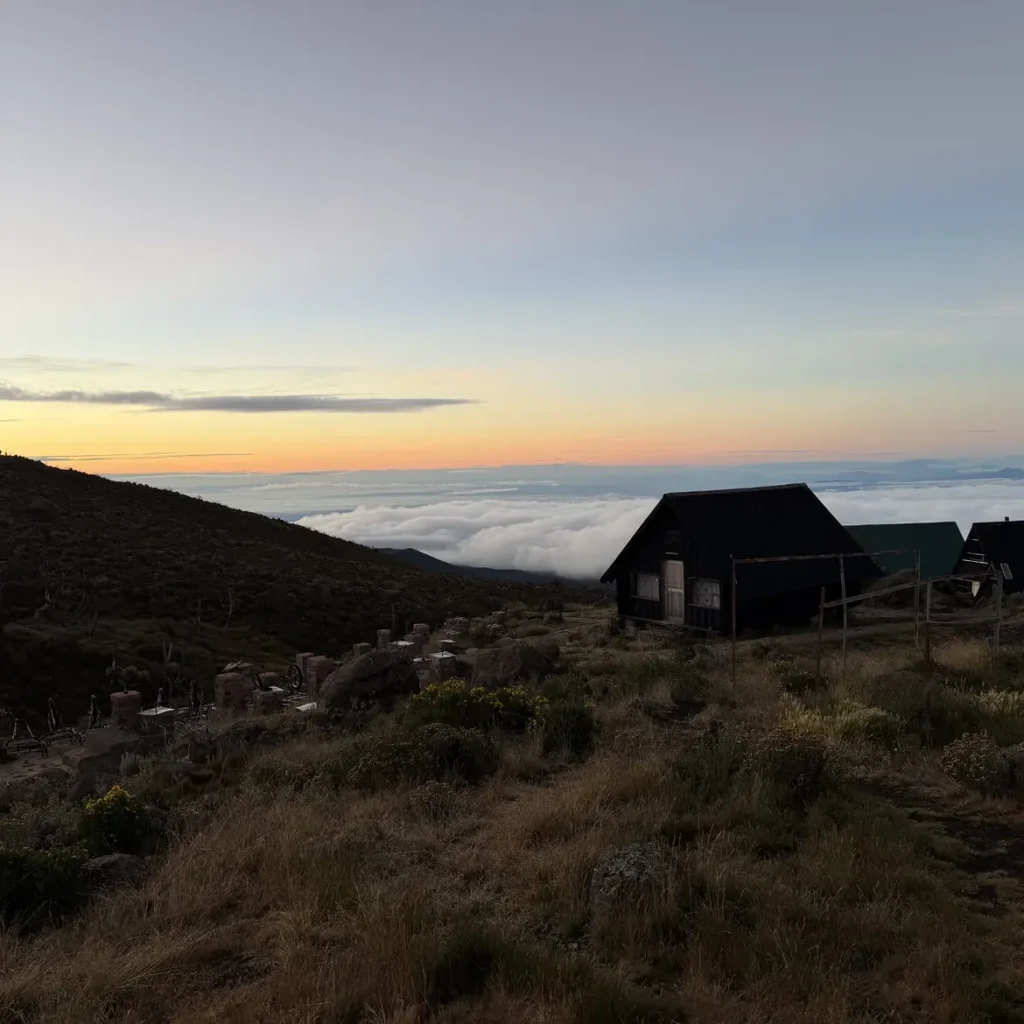
6. The Seven Summits Framework
The Seven Summits — the highest point on each of the seven continents — was popularised as a mountaineering goal in the 1980s by Dick Bass, an American businessman who became the first person to complete all seven in 1985. Since then, thousands of climbers have pursued the challenge.
For most people attempting the Seven Summits, Kilimanjaro is the training ground. It’s the one you attempt first to test your altitude tolerance before committing to Aconcagua, Denali, or eventually Everest. That structural position — as the entry point to the most famous mountaineering goal in the world — means Kilimanjaro is the mountain where a very large number of ambitious climbers get their start.
Even people who have no intention of climbing the other six summits benefit from this. The fact that Kilimanjaro is on the Seven Summits list gives climbing it a narrative weight beyond the mountain itself.
7. It’s Accessible to Reach, Too
Getting to Kilimanjaro is easier than getting to most major mountains. Kilimanjaro International Airport sits 45 minutes from Moshi, the base town, with direct flights from Amsterdam, Doha, Istanbul, Addis Ababa, and several regional East African hubs. For US and UK climbers, a single connection typically gets you there.
Combine that with Tanzania’s reputation for safety and its well-established tourism infrastructure — Kilimanjaro sits within a short drive of Arusha, the gateway to some of East Africa’s most famous safari destinations (Serengeti, Ngorongoro Crater, Tarangire, Lake Manyara) — and you have a mountain that’s not just famous, but practically reachable. Our post on where Kilimanjaro is covers the access logistics in detail.
The typical Kilimanjaro trip — arrive, climb for 6 to 9 days, add a safari, fly home — fits within two weeks of annual leave. That fits the constraints of working professionals in the US and UK far better than a comparable Himalayan expedition, which might demand four to six weeks.
The Combination Is the Point
Individually, none of these seven things would make Kilimanjaro the most famous mountain in the world. Together, they do.
A tall mountain that isn’t freestanding, isn’t non-technical, isn’t on a major list, and isn’t easy to reach would struggle for visibility. A freestanding mountain with no glaciers, no cultural heritage, and no accessibility wouldn’t have the same pull. A mountain that is all of these things at once — tall, freestanding, glaciated at the equator, non-technical, on the Seven Summits list, culturally storied, and practically reachable — has no real peer.
That’s why you already know the name. That’s why roughly 50,000 people a year from every corner of the world choose this specific mountain over any other. And that’s why, for most climbers, reaching Uhuru Peak becomes one of the defining experiences of their lives.
If you’re thinking about adding your name to that list, browse our routes or reach out directly — we’ll help you work out which approach fits you best.