If you’ve googled this, you’re probably doing the right thing — due diligence before you travel. It’s a reasonable question for anyone visiting a part of the world they don’t know well. And it deserves a straightforward answer rather than either the “no problems at all” marketing line or the fear-fuelled version some media coverage encourages.
The short answer: the Kilimanjaro region — Moshi, Arusha, and the surrounding areas — is generally safe for tourists. Serious crime against foreigners is rare. What does happen is mostly low-grade opportunistic property crime (pickpocketing, bag-snatching, overcharging) and some scams targeting obvious tourists. Standard travel awareness handles almost all of it.
This guide covers what’s actually happening on the ground, where risks do exist, and the practical precautions that matter. No scare tactics. No blanket reassurance. Just what a seasoned Moshi resident would tell a visiting friend.
The Overall Picture
Tanzania is, compared to many of its regional neighbours, a politically stable country with a long tradition of peaceful transitions of power and a relatively low level of violent crime against foreigners. This has been true for decades.
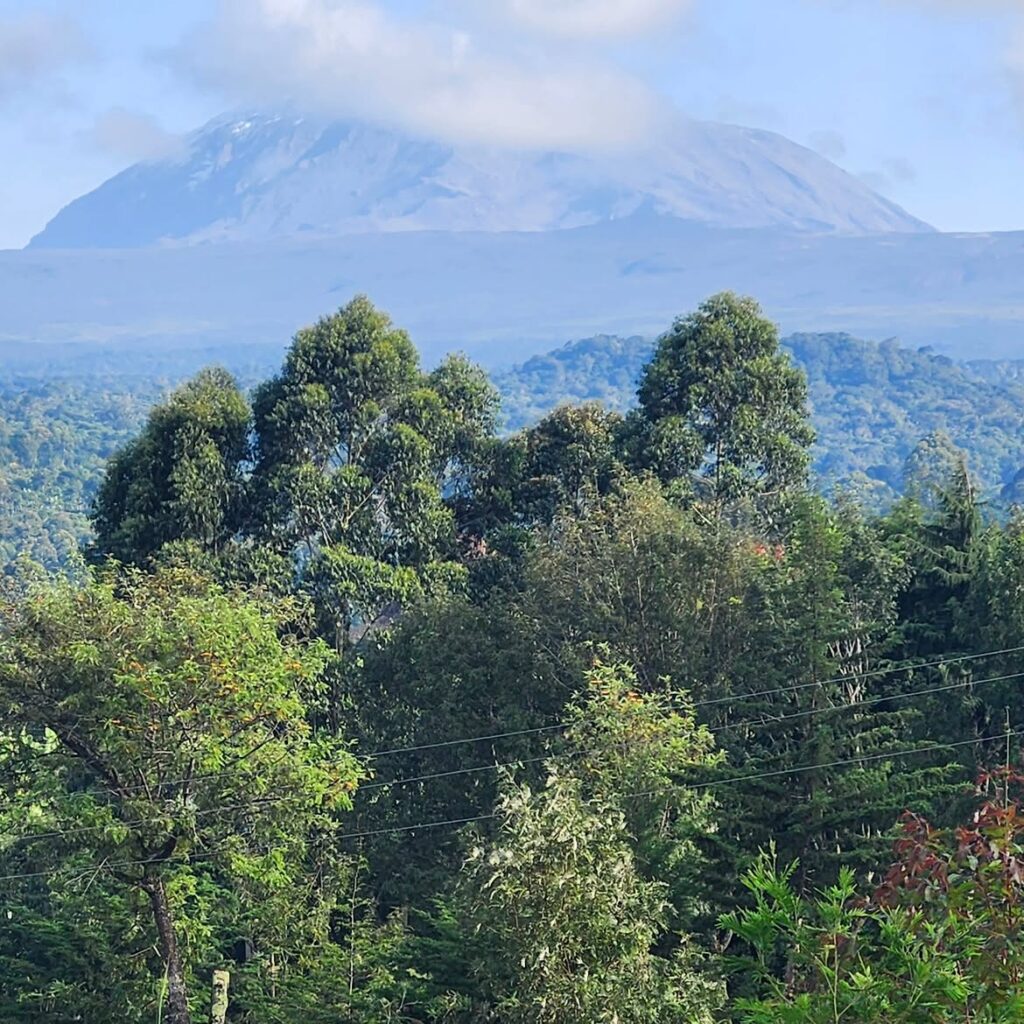
The Kilimanjaro region specifically — Kilimanjaro Region and Arusha Region, the two administrative areas covering Moshi, Arusha, Kilimanjaro National Park, and the nearby safari parks — is probably the safest touristed zone in Tanzania. It’s been the centre of Tanzania’s international tourism industry for over 50 years, and the local economy, infrastructure, and authorities are fully oriented around keeping that industry functioning. That doesn’t make it crime-free, but it does mean the baseline risk level for tourists is low.
What you’re extremely unlikely to encounter as a climber based in Moshi or Arusha:
- Violent crime — mugging, assault, armed robbery.
- Kidnapping or organised crime targeting foreigners.
- Politically motivated violence.
- Terrorism.
What you might encounter, at a low level:
- Petty theft — pickpocketing, opportunistic bag-snatching.
- Scams and overcharging — taxi drivers, tour sellers, fake guides.
- Occasional hotel room theft if valuables are left in the open.
- Currency and exchange rate trickery.
This risk profile is similar to many tourist-heavy cities in Europe — less serious than, say, Paris or Barcelona, where pickpocket rates are significantly higher.
What Actually Happens, in Order of Frequency
1. Overcharging and Small-Scale Scams
The most common “problem” visitors encounter isn’t theft — it’s paying too much for things because they don’t know the local price.
Taxi overcharging. Taxis at JRO, outside hotels, or in central Moshi will quote tourist prices. Standard fares inflated 2–5x are common. The fix: either use your hotel or operator for pre-arranged rides, use a ride-hailing app (Bolt and Uber both operate in Moshi/Arusha), or agree the fare clearly before you get in.
“Guide” solicitation in town. In central Moshi, some people will approach you offering to be your guide, sell you a climb, or arrange services. Many of these are unlicensed middlemen. They’re not dangerous — it’s more an annoyance than a threat — but ignore them or politely decline. Book directly with a licensed operator like Kilimanjaro Sky.
Currency exchange trickery. Unregulated money changers may short-count or offer poor rates. Exchange money at banks, at your hotel, or at licensed bureau de change outlets.
Shop price games. Some tourist-oriented shops double prices on the sticker. Casual bargaining is normal in markets and curio shops. In supermarkets and chain stores, prices are fixed.
2. Petty Theft
Pickpocketing in busy areas. Markets (Mbuyuni Market in Moshi, Maasai Market in Arusha, Central Arusha bus station) are the main risk zones. Keep your phone in a front pocket or inside pocket, keep your bag in front of you, and don’t carry more cash than you need.
Phones and valuables on tables. Don’t leave your phone or wallet unattended on a restaurant table while you step away. This is a basic travel habit anywhere in the world.
Bag-snatching from moving vehicles. Rare but not unheard of in busy downtown traffic. Keep bags inside the vehicle and away from open windows at traffic lights.
Hotel room theft. Very rare at mid-range and high-end hotels — and all legitimate climb operators use hotels with solid security. Use the safe in your room for passports, excess cash, and cameras when you’re not in the room. Don’t leave valuables visible.
3. Dishonest Taxi and Shuttle Drivers
Most Moshi and Arusha drivers are honest. A few take advantage of obvious tourists. Common issues:
- Quoting one price and then demanding more on arrival.
- Taking longer routes than necessary.
- Claiming the meter is broken.
- “The hotel is closed” to divert you to a different hotel (commission scam).
Fix: Pre-book transfers through your operator. Use Bolt or Uber for rides in town (both have been operating in Arusha and Moshi for a few years now). Always confirm destination and price before the ride begins.
If you arrive at JRO and want to avoid this entirely, book an airport transfer through your climb operator. Kilimanjaro Sky climbers are met at arrivals with a named driver and a sign — no haggling, no guessing. (See the Kilimanjaro Airport guide for more on arrival logistics.)
4. Rural and Off-the-Tourist-Path Risks
If you venture off the well-trodden tourist paths — remote villages, unpopulated rural areas, hitchhiking, solo nighttime travel on rural roads — risks rise moderately. This isn’t Moshi-specific; it’s travel-in-developing-countries-generally. Most climbers don’t do any of this, and don’t need to.
What’s Very Rare
A few things that people worry about but rarely encounter in the Kilimanjaro region:
Violent crime against tourists. Extremely rare. The last decade has seen essentially no high-profile incidents involving climbers or safari tourists in the Kilimanjaro region.
Kidnapping. Functionally zero risk for visitors in the Kilimanjaro region.
Armed robbery. Rare. Occasional armed home invasions have happened but are targeted at local residents of expatriate residences in upscale areas, not tourists staying in hotels.
Drug-related violence. Not a significant issue in the tourist zone.
Terrorism. No significant terrorist activity in northern Tanzania. The region is stable.
Scams involving the police. Occasional reports of opportunistic “traffic stops” or fake officials seeking bribes from tourists. If you’re stopped, always ask for identification. Police officers in Tanzania wear uniforms and carry IDs. If something feels off, ask to go to the nearest police station.
The Mountain Itself
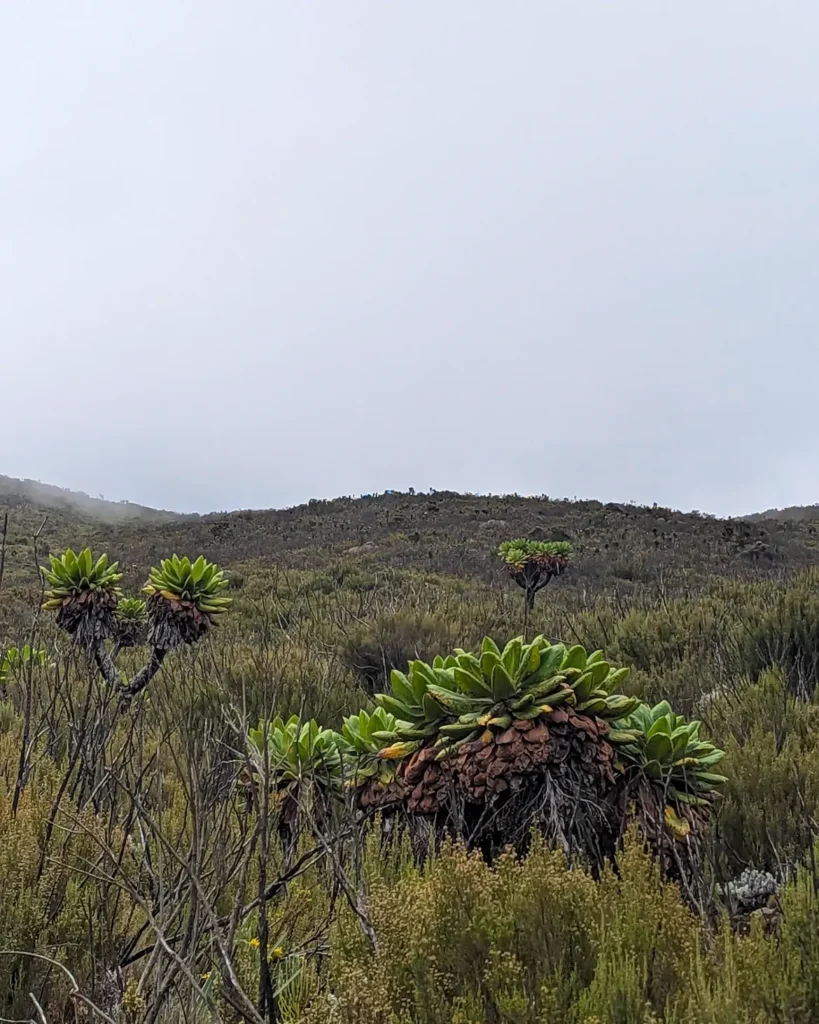
On the mountain, crime is effectively a non-issue. Theft on the trail or at the campsites is extraordinarily rare — partly because the mountain is remote and closely staffed, partly because guides and porters are a tight-knit workforce with strong accountability, and partly because campsites are busy with multiple operators and TANAPA rangers.
You can leave your gear in your tent during dinner and expect to find it there. You can leave gear at the hotel during your climb and expect to find it there. This isn’t the part of the trip to worry about.
If you want more on how the mountain itself is managed — including the 4-tier medical evacuation protocol, guide certifications, and weather protocols — the Kilimanjaro Sky safety page covers it in depth.
Practical Precautions
Standard travel awareness. Nothing unusual, but worth reviewing:
Before You Leave
- Travel insurance. Essential. Should cover medical emergencies, evacuation, theft, and altitude rescue. See the Kilimanjaro travel insurance guide.
- Copy your documents. Email yourself scans of your passport, visa, tickets, and insurance details.
- Register with your embassy if you want (US STEP, UK Foreign Office).
- Share your itinerary with a contact back home.
What to Bring and What to Leave
- Bring: Two forms of payment (a Visa or Mastercard debit card and a Visa or Mastercard credit card), some USD cash, a money belt or anti-theft pouch for passport and extra cash.
- Leave: Excessive jewelry, high-value items you don’t need, originals of important documents (carry copies, leave originals in hotel safe).
In Moshi and Arusha
- Walk during daylight. At night, use a taxi even for short distances.
- Don’t carry large amounts of cash. Use hotel ATMs if possible.
- Keep your phone inaccessible in busy areas. Don’t use it openly on the street in crowded places.
- Trust recommendations from your operator. If you’re unsure about a restaurant, bar, or activity, ask someone who lives there.
- Be polite but direct with solicitors. A firm “no, thank you” works better than engagement.
Transport
- Pre-book transfers through your hotel or climb operator.
- Use Bolt or Uber for in-town rides.
- Avoid motorcycle taxis (boda-bodas) if possible — they’re common but less safe, and more prone to fare disputes.
Money
- Exchange at banks or licensed bureaus — never on the street.
- ATMs — use ones inside banks or hotels rather than standalone streetside machines.
- Keep receipts for exchanges and large purchases.
Women Travelling Solo
Tanzania is broadly safe for women travellers, though cultural expectations differ. A few notes:
- Dress modestly in urban areas, markets, and any religious setting. Shoulders and knees covered is a reasonable baseline.
- Expect some attention — conversational, not threatening. A firm “no thank you” handles it.
- Verify your guide team — any legitimate operator will include women guides or assistant guides if you prefer, or at minimum a guide team that treats you professionally throughout. The tips for women climbing Kilimanjaro guide goes into this in detail.
- Group climbs are naturally safer and more sociable than solo-plus-team setups.
Female climbers visit Kilimanjaro in very large numbers and have for decades. The mountain culture and the tourism industry are comfortable hosting solo women, and Kilimanjaro Sky teams have female and male climbers regularly.
A Word About Government Travel Advisories
The US State Department, UK Foreign Office, and similar bodies publish travel advisories that sometimes use broad language that can seem alarming. Read them as context, not gospel.
A few notes on how to interpret advisories:
- Most advisories cover the whole country. Risks in Dar es Salaam, on the Kenyan border, or in remote southern regions may not apply to Kilimanjaro/Arusha.
- “Exercise caution” or “increased caution” is standard for most African countries and doesn’t mean “don’t go.”
- Specific threats (political unrest, recent incidents, health outbreaks) are worth noting and taking seriously. Broad warnings are just reminders to apply standard travel awareness.
If you’re unsure about current conditions, contact your operator. Any legitimate Kilimanjaro company will tell you honestly whether current conditions warrant changing plans.
Is Moshi Safer Than Arusha?
Marginally, yes. Moshi is smaller (about 200,000 people vs Arusha’s 450,000+), more laid-back, and has a lower urban crime baseline. Arusha has more tourist-focused crime — more taxi scams, more solicitation, slightly more pickpocketing — simply because it’s a bigger tourist economy.
Both are safe for climbers. Moshi is the natural base for a Kilimanjaro climb; most Kilimanjaro Sky clients stay in Moshi. Arusha is the natural base if you’re combining with a safari and starting the safari end of your trip there.
Neither city requires the kind of heightened alertness you’d bring to, say, Johannesburg or Nairobi. A reasonable level of urban awareness is fully sufficient.
The Honest Summary
The Kilimanjaro region is a well-developed tourist zone with low baseline crime, a functioning police infrastructure, and a local population that benefits significantly from a good tourism reputation — which gives everyone a stake in keeping visitors safe.
What you need to do:
- Use common sense.
- Pre-book transfers and reputable operators.
- Don’t flash valuables.
- Trust your operator’s logistics.
- Take standard international travel precautions.
What you don’t need to do:
- Worry about violent crime.
- Travel in armoured vehicles.
- Carry personal security devices beyond the usual.
- Cancel your trip based on vague advisories.
Most Kilimanjaro Sky climbers spend a week in the Kilimanjaro region — flight in, hotel night, mountain, hotel night, flight out — and never encounter anything beyond a few honest bargaining opportunities at the market. The part of Tanzania that hosts Kilimanjaro is, for better or worse, a place that’s been figuring out how to take care of foreign visitors for a very long time.
If Something Does Go Wrong
Unlikely. But if something happens:
- Immediate safety first — get to your hotel, a restaurant, or the nearest police station.
- Contact your operator. A legitimate climb operator will help you navigate any issue — medical, legal, or logistical. Kilimanjaro Sky is based in Moshi and can be reached at any time during your trip.
- Contact your embassy for serious incidents (loss of passport, medical emergencies abroad, crime victim support).
- Report theft to police to file for insurance claims, even if you don’t expect recovery.
- Travel insurance — file claims promptly. Keep receipts and reports.
The Kilimanjaro Sky team is based on the ground in Moshi, not in a remote office somewhere. If a climber has a problem on the ground — before, during, or after the mountain — we’re a short drive away at most.
Final Thought
It’s worth putting the Kilimanjaro region’s crime picture in context. Many climbers come from cities — London, New York, Chicago, Los Angeles — where the baseline crime rate is higher than anywhere they’ll be in Tanzania. The discomfort of travelling somewhere unfamiliar can amplify perceived risk. In practice, the actual risk of being in Moshi or on Kilimanjaro is low.
Pack sensibly, travel sensibly, use a good operator, and the week will be unremarkable in every dimension except the one you came for: the mountain.