Mti Mkubwa Camp sits at 2,780 metres (9,120 feet) deep in the montane rainforest on Kilimanjaro’s western slopes. The name is Swahili — mti mkubwa means “big tree” — and the camp is named for a substantial old tree near the camp clearing. For climbers on the Lemosho Route, Mti Mkubwa is the first overnight stop. It’s a quieter, less-trafficked camp than the equivalent first nights on more popular routes, and it sets up a Lemosho climb with a distinctive feel from the start.
This post covers what the camp is, what the rainforest on the western side of Kilimanjaro is like, and why the first day on Lemosho is one of the most atmospheric starts to any climb on this mountain.
Where Mti Mkubwa Sits on the Mountain
The Lemosho Route starts at Lemosho Gate (2,385m/7,824 ft) on the western side of Kilimanjaro, a quieter and less-developed trailhead than the better-known Machame Gate on the southern side. The drive from Moshi to Lemosho Gate takes 3–4 hours — longer than the drive to Machame — and the road winds through smaller villages on the western flank of the mountain.
From Lemosho Gate, the route climbs through rainforest for 6 kilometres, gaining about 400m of elevation, to reach Mti Mkubwa Camp. The walk takes 3–4 hours and is the shortest trekking day of the full Lemosho itinerary — a gentle introduction, a first night at moderate altitude, and a chance for the body to begin adjusting before the harder days that follow.
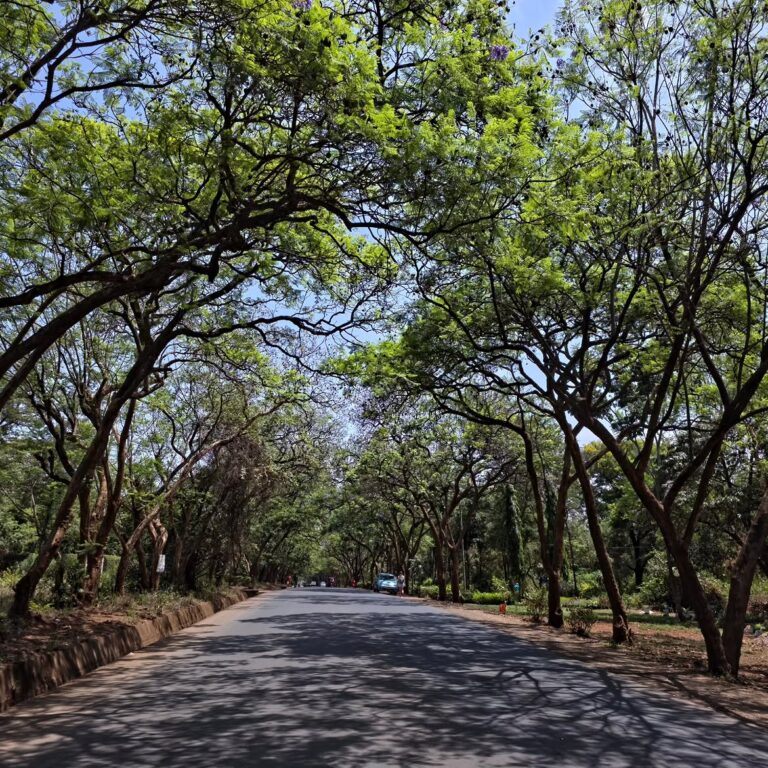
Mti Mkubwa is at 2,780m (9,120 ft), which puts it in the upper montane rainforest zone. The rainforest here is denser and less disturbed than on the routes approaching from more developed sides of the mountain. Fewer climbers use Lemosho than Machame (though numbers have grown significantly over the past decade), and fewer still stop at Mti Mkubwa compared to other southern-side camps. The camp feels quieter and more remote, even though it’s technically a shorter walk from a road than many higher camps.
The Big Tree
The camp takes its name from a genuinely large tree — one of several substantial old specimens in this part of the forest, but one prominent enough that porters and guides historically used it as a landmark. Over time, the name stuck.
Kilimanjaro’s montane rainforest contains several species of large canopy trees: African yellowwood (Afrocarpus), camphorwood (Ocotea usambarensis), and various fig species. These trees can live 300–500 years and grow to impressive heights when undisturbed. The named “big tree” at Mti Mkubwa is one such specimen — older than most of the villages on the mountain, standing where it stood long before Kilimanjaro became a climbing destination.
If you walk around the camp in the evening, you can see several trees hung with moss and lichen that would qualify as “mti mkubwa” in their own right. The name is both literal and atmospheric.
The Walk In: Lemosho Gate to Mti Mkubwa
The first day on Lemosho is one of the most pleasant walks on Kilimanjaro. A few things make it distinctive:
It’s short. The 6-kilometre walk with 400m of gain is genuinely manageable. Most climbers finish in 3–4 hours without fatigue. This is deliberate — the first day is about altitude adjustment, not distance.
The forest is in prime condition. Because Lemosho is less trafficked than Machame, and because the western approach has historically been harder to reach (hence the lower volume), the rainforest along this trail has been preserved more intactly. You walk through genuinely dense forest: dripping moss, mushrooms on fallen logs, the constant ambient drip of a functional rainforest ecosystem.
Wildlife is more visible than climbers expect. Elephants have been recorded in the lower Lemosho forest zone. You’re very unlikely to see them — they’re shy and move quickly away from human activity — but fresh dung and broken branches are sometimes visible. Colobus monkeys, blue monkeys, and a range of forest birds are regular sightings. Guides with sharp eyes will point out what you’d otherwise walk past.
Rangers occasionally accompany the first day. TANAPA rangers sometimes walk the lower Lemosho sections with climbing groups because of the wildlife zones. This has diminished in recent years as elephant ranges have shifted, but it’s worth asking your guide about specifics on your climb date.
What the Camp Is Like
Mti Mkubwa is a tented camp. There are no permanent structures — only a cleared camp area inside the forest, where porters set up your sleeping tents, dining tent, and toilet arrangements before you arrive.
A few specifics:
The ground is soft underfoot. Unlike the rocky camps higher up the mountain, Mti Mkubwa sits on forest floor — compacted earth, roots, moss, leaf litter. Tent stakes go in easily. The ground is more forgiving than at high-altitude camps.
Rainfall is part of the experience. You’re in the rainforest. Even in dry season, some rainfall is possible. Waterproof pack covers and a reliable rain jacket matter from the moment you leave the gate. Most climbers wear their rain jacket at some point on day one, even on an ostensibly “dry” day.
Temperatures are mild. At 2,780m (9,120 ft), the camp is far below the cold of higher camps. Evening temperatures run 5–10°C. A lightweight sleeping bag is sufficient here — the serious cold doesn’t arrive until you’re above 4,000m (13,123 ft).
Wildlife at night. The rainforest is acoustically busy after dark. Insects, birds, occasional calls from distant monkeys. Most climbers find this soothing. If you’re a light sleeper, earplugs help.
Porters and guides manage camp infrastructure. At Kilimanjaro Sky, the crew arrives at camp ahead of clients and has tents pitched, a mess tent set up, and dinner preparation underway before climbers walk in. Porters are paid 10–12 USD per day directly after descent, provided sleeping bags and proper tents of their own, and have their loads weighed to the TANAPA-enforced 20kg maximum at every gate.
The Evening at Mti Mkubwa
The first night on Lemosho has a distinctive character because you’ve only just met the people you’ll be climbing with. The chemistry of the trip gets established over dinner.
A typical evening rhythm:
Arrival and tea: Mid-to-late afternoon, depending on pace. Hot tea, biscuits, a chance to settle into tents.
Introductions: Your guides introduce themselves properly — their experience, the plan for the coming days, what to expect. Climbers introduce themselves to each other.
Early dinner: Served in the mess tent. Simple, warming, properly cooked. Appetite is good at 2,780m (9,120 ft). Eat well.
Short briefing: Your guide walks through tomorrow — the climb to Shira 1 Camp at 3,505m (11,499 ft), what the terrain changes look like, what gear you’ll want accessible.
Early to bed: Most climbers are asleep by 9pm. This is the deepest, easiest sleep of the whole climb. Use it.
Why Lemosho Starts Here
The architecture of the Lemosho Route is distinctive in a few ways, and the first night at Mti Mkubwa reflects that.
Gradual acclimatization from a moderate starting elevation. The 400m gain on day one is gentle. The Lemosho Route as a whole is the best-acclimatized of Kilimanjaro’s major routes — the 8-day itinerary is often cited as having the highest summit success rate on the mountain, between 95% and 98%.
A longer approach that builds fitness. Because Lemosho traverses more of the mountain before reaching the summit area, you spend more time in intermediate-altitude walking before hitting the really thin air. This is structurally better for most climbers’ bodies.
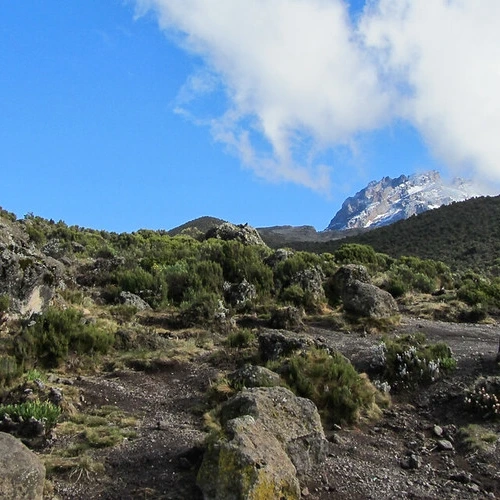
A more varied experience. Lemosho climbers pass through all five ecological zones of Kilimanjaro: rainforest (Mti Mkubwa), moorland (Shira), alpine desert (Lava Tower and onward), and the arctic zone near the summit. The visual variety across a Lemosho climb is greater than on any other route.
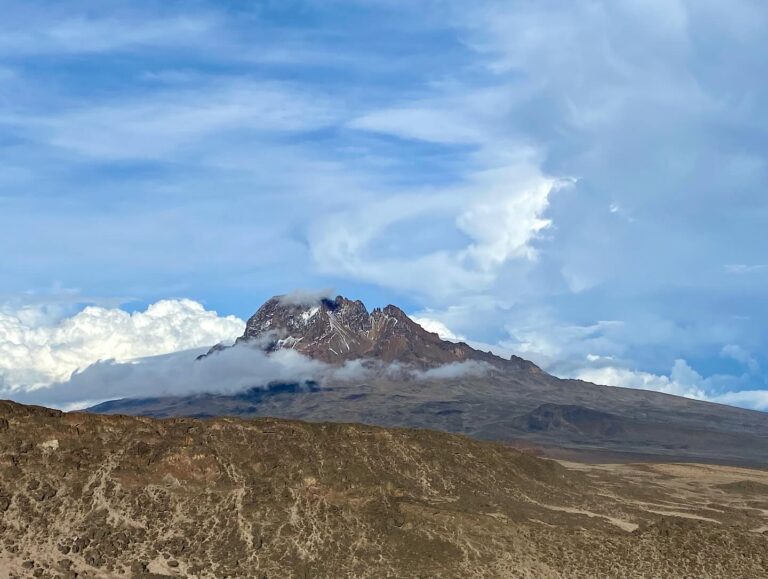
Scenic approach. The Shira Plateau — crossed on day 2 and 3 after leaving Mti Mkubwa — is one of the most dramatic sections of any Kilimanjaro route. You walk across an open high-altitude plain with views of the mountain’s western flank, the glaciers catching morning light, and a landscape that feels less like a climbing route and more like a high plateau in its own right.
All of this starts with the quiet rainforest night at Mti Mkubwa.
Who Lemosho and Mti Mkubwa Suit
Lemosho is usually the right choice for climbers who:
- Want the highest possible summit success rate
- Are willing to invest 8 days on the mountain
- Value scenic variety as much as summit achievement
- Would rather pay a bit more for a better-acclimatized climb
It’s often less suitable for:
- Climbers on tight budgets looking for the shortest viable itinerary
- Climbers who prefer hut accommodation (Lemosho is tented throughout; Marangu is the route with huts)
- Climbers who specifically want the most popular, social route (that’s Machame in peak season)
The 7-day and 8-day Lemosho options both pass through Mti Mkubwa. The 8-day version adds an extra acclimatization night on the Shira Plateau, which further improves summit success.
Practical Notes
Daypack contents for day one: Rain jacket, water bottles, snacks, warm layer, sunscreen, first-aid basics, camera. The climb is short but can be wet.
Footwear: Waterproof hiking boots, broken in well before the climb. The trail to Mti Mkubwa has wet sections, roots, and occasional mud. Stiff boots with ankle support are the right choice.
Pace: Your guide sets pace. Pole pole — slowly slowly — even on a short, low-altitude first day. This is the pace for the whole mountain; start practicing now.
Photography: The rainforest is demanding for photography — low light, high humidity, dense vegetation. If you’re carrying a camera, keep it in a dry bag and bring it out when you stop.
If you’d like to talk through whether Lemosho is the right route for your climb, or compare it against Machame or the Northern Circuit, get in touch with our team. We run small groups — 4 to 10 climbers, with 1 lead guide and 1 assistant guide per 2–3 clients — and we’ll walk you through the trade-offs specifically. You can also see the packages page for what each tier includes and the routes overview for a side-by-side comparison.