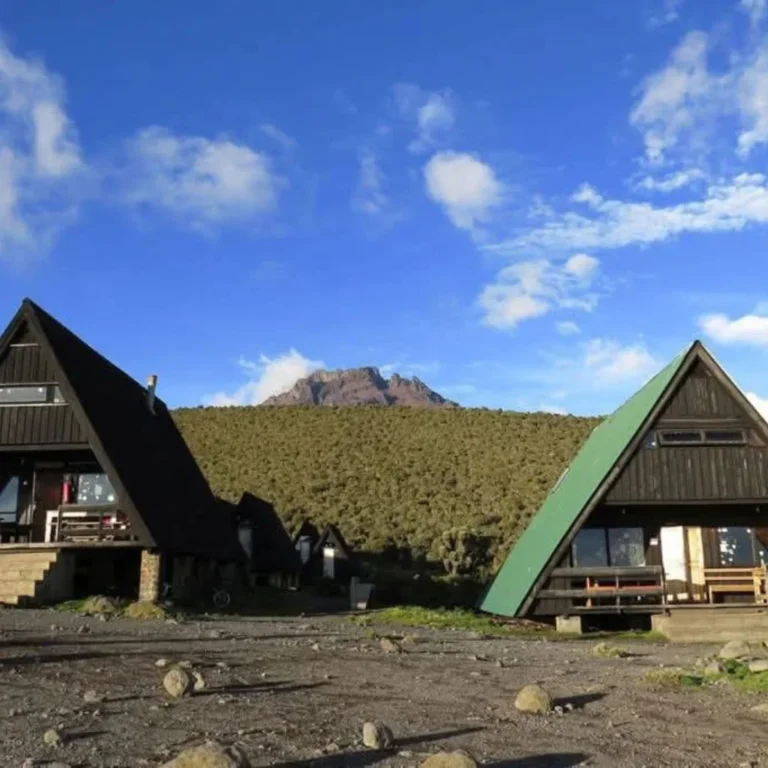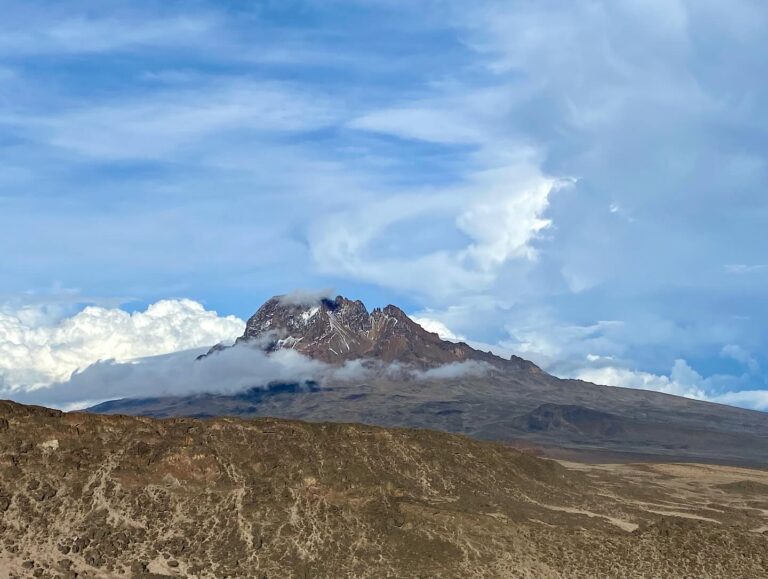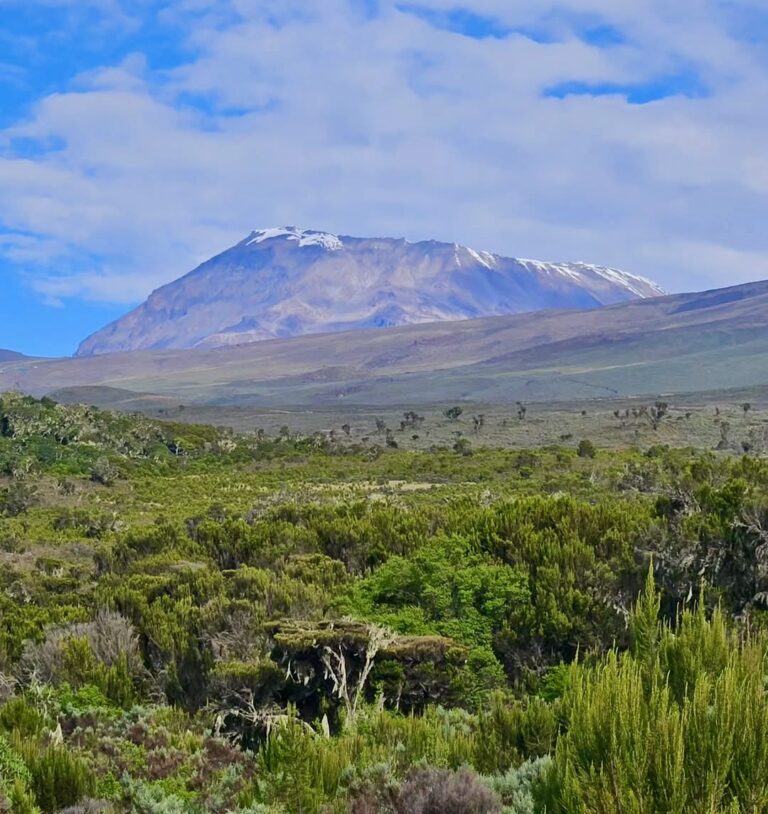
Before Kilimanjaro became a mountain on the world’s climbing list, it was — and still is — home. The Chagga people (sometimes spelled Wachagga, Chaga, or Jaga) have lived on the southern and eastern slopes of Kilimanjaro for at least 400 years, and likely longer. They farm the volcanic soil, engineer elaborate irrigation systems, speak a language with roots in several Bantu traditions, and make up a significant part of the guide and porter workforce that leads visitors up the mountain today.
If you climb Kilimanjaro without learning anything about the Chagga, you’ll have climbed a mountain. If you climb it with some understanding of the people whose home it is, you’ll have travelled somewhere. This guide is written for people in the second category.
A Short History: Where the Chagga Came From
The Chagga are not one people with a single origin. They’re a collection of Bantu-speaking communities who migrated to the slopes of Kilimanjaro over several centuries, arriving from different directions and merging over time into a shared cultural identity that now numbers roughly 2 million people in the Kilimanjaro region.
Oral histories and linguistic evidence suggest the earliest Bantu-speaking migrants arrived from the north and west — parts of what are now Kenya, Uganda, and the Great Lakes region — somewhere between the 11th and 15th centuries. They encountered and partly absorbed earlier populations, including Cushitic-speaking pastoralists and some groups related to the San peoples of southern Africa. The mountain itself, with its reliable rainfall, fertile soils, and natural defence against raiders, was a powerful draw.
By the time European missionaries and colonial administrators arrived in the late 19th century, the Chagga were organised into some thirty to forty small chiefdoms spread around the mountain’s lower and middle slopes. Each chiefdom — ruled by a Mangi — controlled a section of slope, often divided by one of Kilimanjaro’s numerous ravines. These chiefdoms cooperated, traded, intermarried, and periodically fought each other. Europeans found the Chagga well-organised, agriculturally sophisticated, and politically complex.
The colonial period disrupted the traditional chiefdom structure but did not break Chagga identity. In many ways, it concentrated it. German and later British administration consolidated the chiefdoms into larger units, and the introduction of coffee as a cash crop in the early 20th century gave the Chagga an economic foundation that reshaped the region. The Kilimanjaro Native Cooperative Union — founded in 1933 — became one of Africa’s most successful smallholder coffee cooperatives, and remains influential today.
The Chagga Relationship With the Mountain
To understand the Chagga, you have to understand that Kilimanjaro is not a tourist attraction to them. It’s the context of their entire existence.
The mountain provides water — every river in the region begins on Kilimanjaro’s slopes as glacial melt, spring flow, or forest runoff. It provides soil — the volcanic ash and weathered lava that make the southern slopes some of the most fertile land in East Africa. It provides rainfall patterns that let crops grow here when surrounding lowlands are dry. And historically, it provided protection: the forested slopes were difficult for raiders to penetrate, and the ravines made each chiefdom naturally defensible.
The mountain also has a spiritual dimension in Chagga tradition. Kibo — the main peak — is sometimes associated with the ancestors, and certain sites around the mountain have cultural significance that isn’t always visible to outside visitors. Some of this tradition has been overlaid or reshaped by Christianity (which arrived with 19th-century missionaries and is now the majority religion) and by modernisation, but the underlying sense that Kilimanjaro is home — not just scenery — still runs deep.
When you’re climbing with a Chagga guide, you’re not climbing with someone doing a job in a foreign place. You’re climbing with someone whose grandparents farmed the slopes you’re walking past.
Language: Kichagga and Its Dialects
The Chagga language — Kichagga — is actually a cluster of closely related Bantu languages rather than a single tongue. Different chiefdoms historically spoke different dialects, and some of these varieties are different enough that speakers from opposite sides of the mountain struggle to understand each other without switching to a common language.
Major dialect groups include Kimochi (around Moshi and the central southern slopes), Kivunjo (Vunjo area), Kirombo (Rombo, on the eastern and north-eastern slopes), and Kimachame (around Machame, on the south-western slopes). There are several others.
The common language that bridges these dialects — and connects Chagga speakers to everyone else in Tanzania — is Swahili. All Chagga people speak Swahili fluently, most speak English (particularly those working in tourism and education), and many still speak their particular Kichagga dialect at home. When you hear your guides and porters speaking to each other in something that isn’t Swahili or English, you’re usually hearing Kichagga.
A few useful words if you want to show basic respect:
- Jambo — Hello (Swahili, universal)
- Asante — Thank you (Swahili)
- Pole pole — Slowly, slowly (Swahili — the guiding principle of a successful Kilimanjaro climb)
- Karibu — Welcome (Swahili)
Chagga guides will appreciate the effort. They won’t correct your pronunciation.
Chagga Agriculture: The Banana-Coffee System
The thing that makes Chagga agriculture genuinely exceptional — and worth understanding if you want to grasp the cultural landscape you’re travelling through — is the kihamba system.
A kihamba is a home garden built on a particular piece of Chagga land, typically a third of a hectare to a hectare in size. It’s not a field. It’s a multi-layered polyculture that has evolved over centuries to produce a remarkable amount of food and income from a small area. The system typically includes:
Top layer: Scattered trees — often indigenous species and fruit trees — providing shade, fodder, firewood, timber, and microclimate regulation.
Middle layer: Bananas (the mbuya — staple food, brewing source, and cash crop), along with Arabica coffee (introduced by missionaries in the late 19th century, now the region’s signature export).
Ground layer: Maize, beans, yams, taro, vegetables, and medicinal plants.
Animal integration: Stall-fed cattle, goats, and chickens. Manure from the animals fertilises the garden. Crop residues feed the animals. A closed nutrient loop.
The kihamba system supports a family’s food needs, produces surplus for sale, and has been called one of the most sustainable smallholder systems in Africa. It’s also visually unmistakable — when you’re driving through the lower slopes on the way to a Kilimanjaro trailhead, you’re driving through thousands of kihamba gardens.
Coffee specifically has shaped the region’s economy for over a century. Kilimanjaro Arabica is considered among the best in Tanzania — grown at altitude, in volcanic soil, with the natural coolness of the mountain. A coffee tour in Moshi is one of the most direct ways to experience this — you’ll see coffee trees in the kihamba landscape, pick beans, roast them over fire, and drink the result.
Chagga Engineering: Irrigation and the Underground Caves
Two features of traditional Chagga culture deserve particular attention, because both are often missed by visitors who don’t know what they’re looking at.
The irrigation network. The Chagga built an elaborate system of hand-dug water channels (mifongo) that carry water from mountain streams across long distances to individual kihamba gardens. Some of these channels predate the colonial period by centuries. They were engineered by hand, without cement, using stones, clay, and carefully graded slopes. Maintaining them was (and in some areas still is) a communal obligation. If you look carefully during your drive into the hills, you can see surviving segments of this network running alongside paths and roads.
The underground caves. Across the southern slopes, the Chagga historically built networks of underground tunnels and cave complexes. These were used for food storage, protection during raids — particularly from Maasai warriors who periodically came up from the plains — and as community gathering places. Some of these tunnel systems are extensive, with multiple chambers, ventilation shafts, and kitchens.
The most accessible of these sites is at Ekanubi Underground on the slopes above Moshi. A guided visit there is one of the most distinctive cultural experiences in the region — you’ll see the underground architecture firsthand, learn about how it was built and used, and get a concrete sense of the Chagga relationship to this landscape as something more than picturesque.
At Kilimanjaro Sky, we include Ekanubi Underground as a community-linked experience for clients who want to spend a day or two in the area either side of their climb. A portion of what you spend flows directly to the Chagga families running the site, which is the kind of structure we prefer to charity: commerce with the right people.
The Chagga and Kilimanjaro Tourism
A simple fact about Kilimanjaro tourism that isn’t always explained clearly: most of the guides, porters, cooks, and logistics staff working on the mountain are Chagga.
This is partly historical — the Chagga live on the mountain’s slopes, so when European climbing expeditions began in the late 19th century, Chagga men were the natural workforce. It’s partly practical — they know the routes, the weather patterns, the plants, the shortcuts, the shelter points. And it’s partly economic — guiding and porting, while demanding, remain some of the better-paid work available in the region.
But there’s a tension in this arrangement. The economics of Kilimanjaro tourism have historically favoured operators over workers. Porters in particular have been underpaid, overloaded, and poorly equipped for decades. Organisations like the Kilimanjaro Porters Assistance Project (KPAP) and the Kilimanjaro Responsible Travel Organization (KRTO) have done important work raising standards, but gaps remain.
This is the part of the Chagga story where visitors can make a choice. How you book, who you book with, and what questions you ask — these all flow back into the community whose mountain you’re climbing. Fair porter wages, weight limits, provided gear, direct payment — these aren’t optional extras. They’re the minimum bar for an operator who takes the relationship with the local community seriously. The Kilimanjaro Sky approach to porter welfare is built around this.
How to Experience Chagga Culture as a Visitor
If you’re coming to climb Kilimanjaro and want more than just the mountain, there are several ways to engage with Chagga culture without it feeling like a performed village tour.
Ekanubi Underground. The cave complex above Moshi, described above. A half-day visit. Guides will show you how the caves were used and share the stories that go with them.
Coffee tours in the foothills. A few hours on a Chagga family’s kihamba, picking coffee cherries, processing them, and making your own cup over a fire. The best of these tours are run by the farming families themselves.
Materuni and Kikuletwa waterfalls. The waterfall excursions around Moshi pass through Chagga villages and give you a sense of the landscape outside the major towns.
Moshi markets. Mbuyuni Market and the smaller markets in the surrounding villages. Early morning is the most active time. Expect a sensory experience — produce, fabrics, fish, spices — and a chance to see how the region actually trades.
Cultural conversations on the trail. Your Kilimanjaro guide is, almost certainly, Chagga. Over the course of a 6 to 9 day climb, there’s a lot of time to talk. If you show genuine interest — not tourist-interview interest, but human interest — you’ll hear stories about family, farming, the mountain, the changes they’ve seen, the issues they care about. This is the most honest form of cultural exchange available.
A Closing Note
Kilimanjaro is often described in the abstract — as a mountain, a challenge, a geological feature, a destination. It’s all of those things. But it’s also somebody’s home. The Chagga have been on these slopes for centuries, and the tourism industry exists because they still are.
Understanding this doesn’t change your climb physically. But it changes the register of it — from a personal achievement set against an anonymous backdrop, to a journey through a landscape that belongs to people with their own history, language, and relationship to this place. That’s a better way to travel.
If you’re planning a climb and want to build in some cultural time, ask when you book. The Kilimanjaro Sky packages can include Ekanubi Underground, coffee tours, and waterfall excursions on either side of the climb — and we’ll help you pace it so you arrive at the mountain rested and leave Tanzania with more than summit photos. If you want the full picture of the climb itself, the beginner’s guide to climbing Kilimanjaro covers the practical side, and the routes overview explains how each path up the mountain differs.
The Chagga have a saying — one you may hear on the trail — about the importance of doing things at the right pace, in the right order, with the right people. Pole pole. It’s also, as it turns out, how to climb a mountain well.