Malaria is a real risk in Moshi and the surrounding area. It is not a risk to be dismissed, and it is not a risk that disappears because your main activity is a mountain climb. Before you finalize your Kilimanjaro trip plans, malaria prophylaxis deserves a clear-eyed, specific assessment — not the vague “consult your doctor” brush-off that fills most travel guides, and not unnecessary alarm either.
This guide explains the actual risk profile for Kilimanjaro climbers — which is genuinely different from the risk profile of, say, a lowland safari — covers the main prophylaxis options, and tells you when to start. At the end: the single most important instruction, which is to have a real conversation with a travel medicine physician before you go.
The Risk Zone: What Moshi Actually Is
Moshi, Tanzania sits at approximately 900 metres (2,952 ft) above sea level at the base of Kilimanjaro. The region is classified as a malaria transmission zone by the WHO, the CDC, and most national travel health authorities in the US and UK.
The specific type of malaria present in Tanzania is Plasmodium falciparum, which is the most serious form. This is the same species responsible for the vast majority of malaria deaths globally. It is not a “mild” strain.
What this means for climbers: You’re spending time in Moshi before and after your climb — typically 1–2 days before, and at least one night after descent. During that time, you’re at low altitude, in a warm climate, in a region where the mosquitoes that carry falciparum malaria are active, particularly at dusk and dawn.
Your risk from Moshi is real and warrants prophylaxis.
What Happens to Your Malaria Risk on the Mountain
Here’s where the Kilimanjaro situation diverges from most malaria-region travel, and it’s worth understanding.
Anopheles mosquitoes — the species that transmit malaria — are typically active up to approximately 2,000–2,500 metres (6,501 – 8,202 ft) altitude. Above that elevation, temperatures are too cold and conditions are too dry for stable mosquito populations.
On a typical Kilimanjaro route:
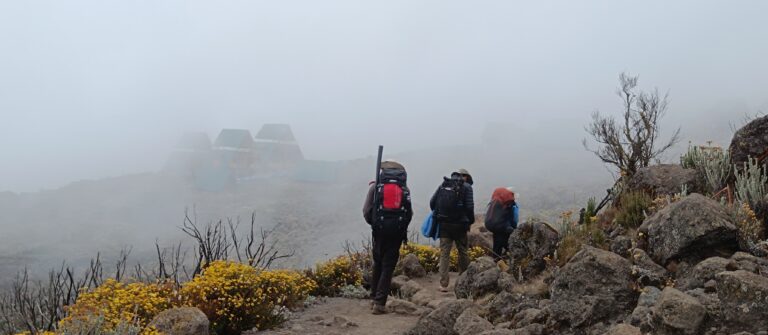
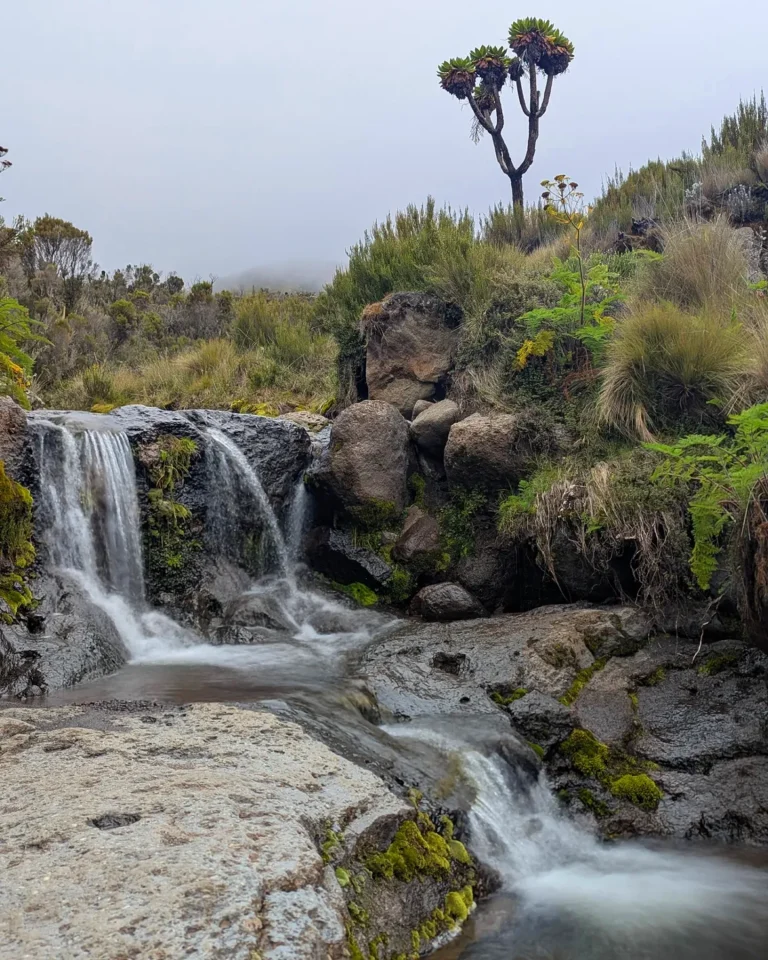
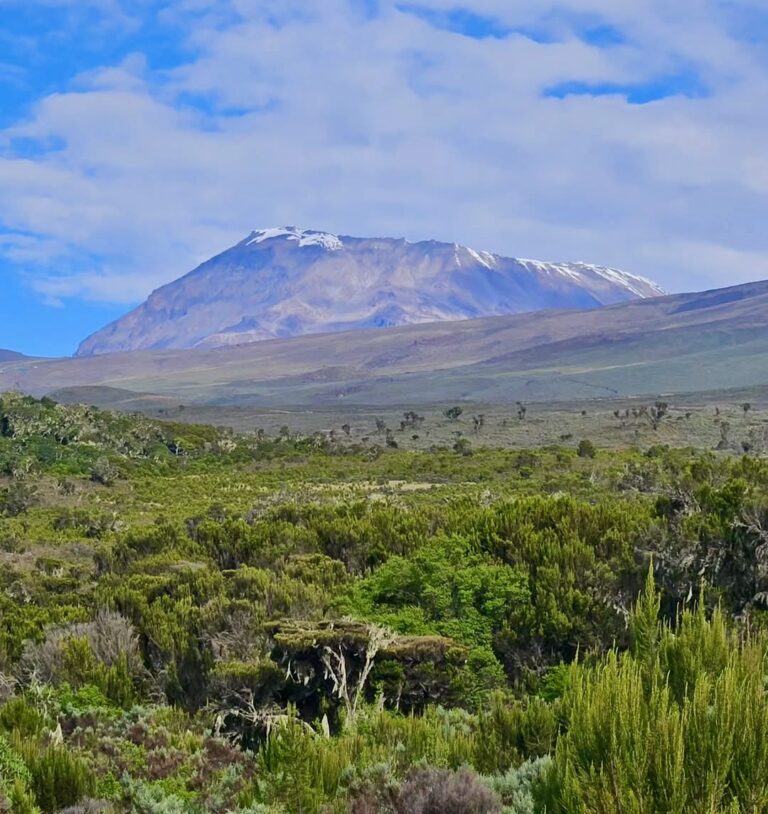
- Day 1–2 (forest zone, ~1,800–2,800m/5,905-9,186 ft): Some mosquito presence possible, particularly near water. Risk declining with altitude gain.
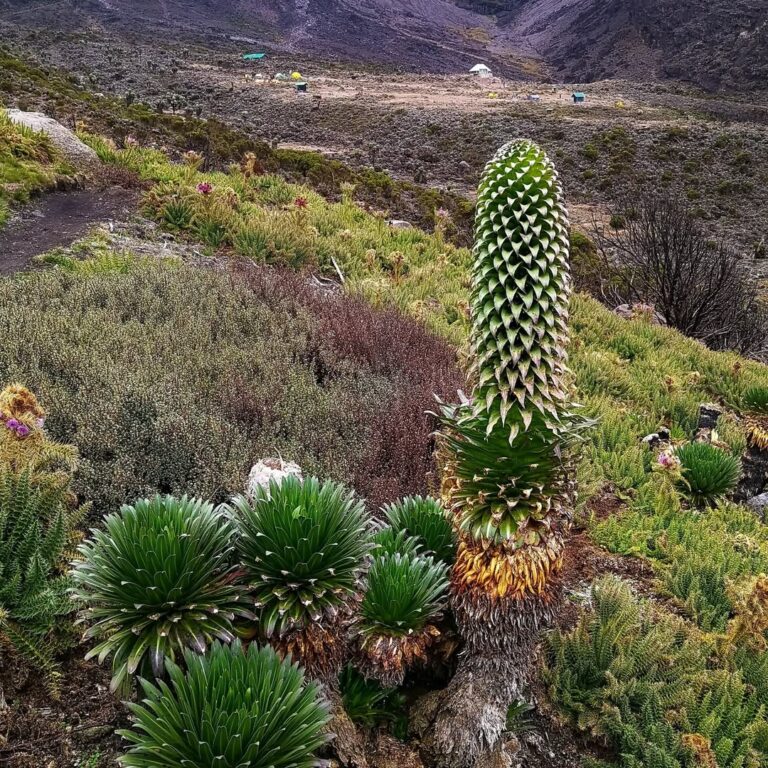
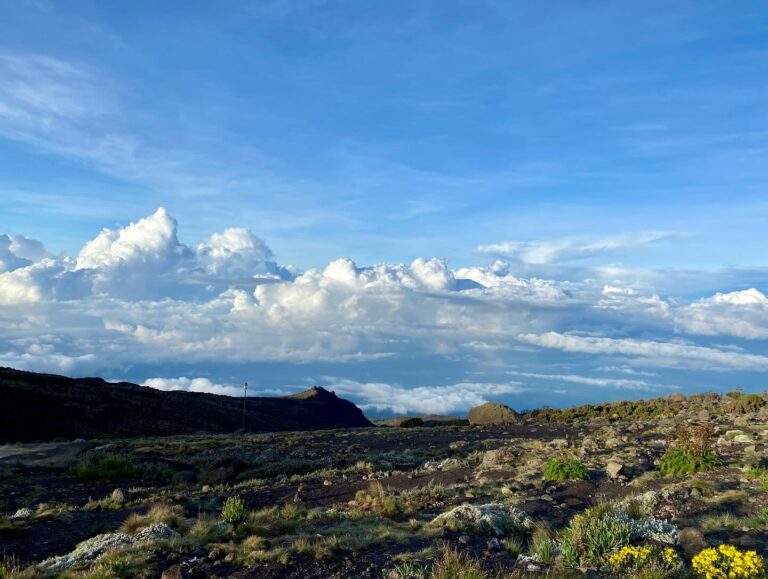
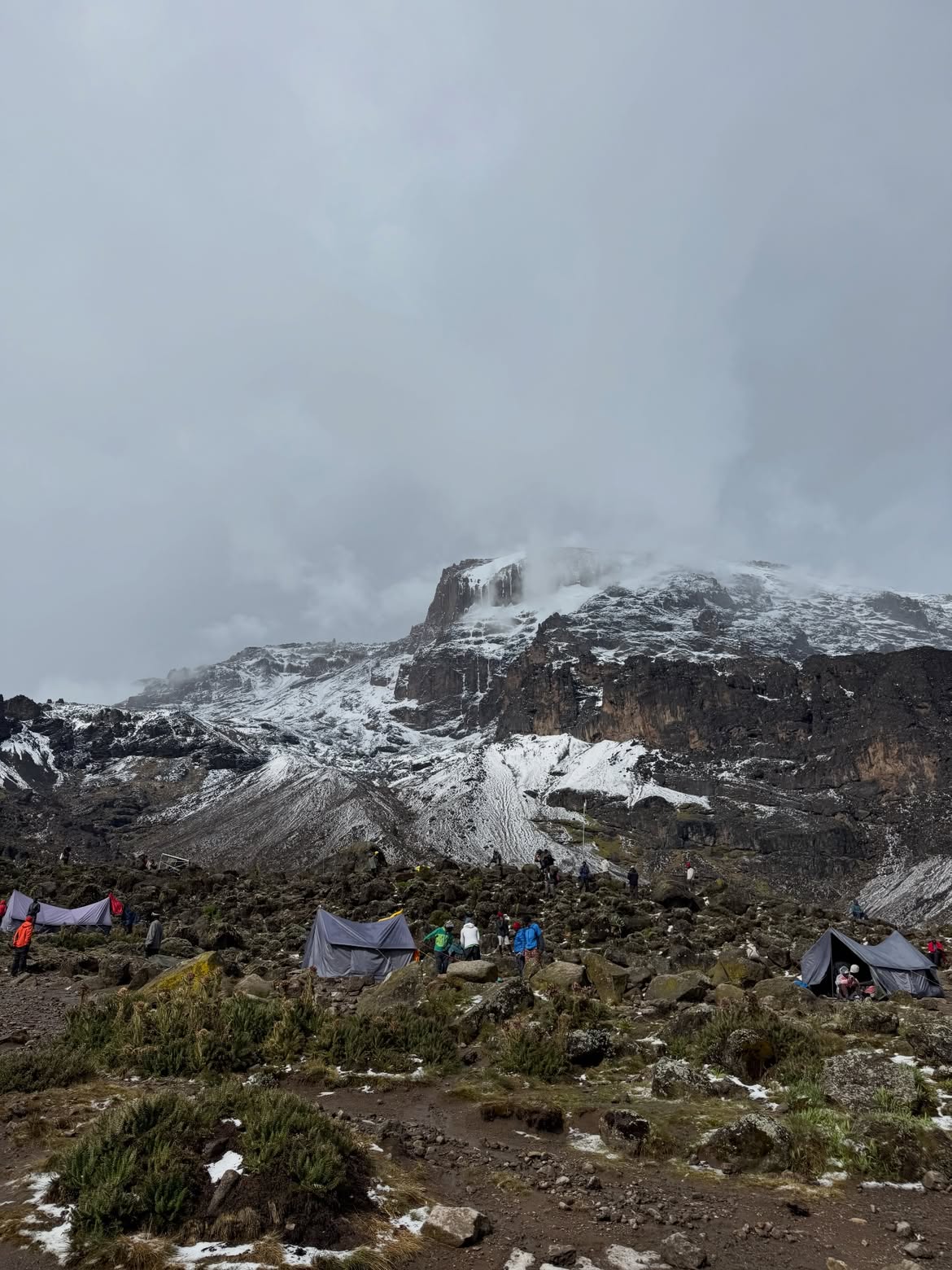
- Day 3+ (heath and moorland, 2,800–4,000m and above/9,186-13,123 ft and above): Mosquito presence drops to effectively zero. You are above the transmission zone.
- Summit night and high camps: No malaria risk from mosquito exposure.
The practical implication: Your malaria exposure risk on the mountain itself is low to negligible. Your risk is concentrated in Moshi — before and after the climb — and potentially on the first day or two of trekking in the lower forest zones.
This does not mean you should skip prophylaxis. It means the risk is real in a specific part of your trip and minimal in another. Prophylaxis medication covers the whole period, which is exactly how it’s designed to work.
The Main Prophylaxis Options
There are three malaria prophylaxis medications commonly prescribed for travel to Tanzania. Each has a different mechanism, start time, side effect profile, and cost. Your doctor or travel medicine physician chooses between them based on your health history, other medications, itinerary timing, and personal factors. Here’s the overview:
Atovaquone-Proguanil (Malarone and generics)
The most commonly prescribed option for short-trip travelers to malaria regions from the US and UK. Works by interfering with parasite reproduction.
Start time: 1–2 days before entering the malaria risk zone.
Duration: Continue for 7 days after leaving the risk zone.
Advantages: Short lead-in and post-trip duration, once-daily dosing, generally well tolerated.
Common side effects: Abdominal discomfort, nausea (less common when taken with food), occasional headaches.
Important: Must be taken with food or a milky drink. On the mountain, this is easy — you’re eating regular meals. Don’t take it on an empty stomach.
Cost: More expensive than other options, especially for longer trips. For a Kilimanjaro trip (typically 2–3 weeks including safari and acclimatization), cost can add up. Generic versions are significantly cheaper than branded Malarone.
Doxycycline
A broad-spectrum antibiotic that also provides malaria prophylaxis. Widely available, much cheaper than atovaquone-proguanil.
Start time: 1–2 days before entering the risk zone.
Duration: Continue for 4 weeks after leaving the risk zone.
Advantages: Low cost, also provides protection against some other bacterial infections that can affect travelers.
Side effects: Photosensitivity (increased sunburn risk — this is directly relevant on Kilimanjaro where UV at altitude is already elevated), esophageal irritation if not taken with adequate water while upright, can cause yeast infections in some people, must be taken at the same time daily.
Important note for Kilimanjaro: Photosensitivity is a meaningful concern. You’re already applying SPF 50+ every day because UV at 5,000 metres is roughly 50% more intense than at sea level. Doxycycline increases your skin’s sensitivity further. Take sun protection seriously if you choose this option.
Mefloquine (Lariam)
An older medication that works by a different mechanism than the other two. Less commonly prescribed now due to side effects but still used.
Start time: Must start 2–3 weeks before entering the risk zone — this is the most significant practical difference.
Duration: Continue for 4 weeks after leaving the risk zone.
Advantages: Once-weekly dosing (easier to remember for some people).
Side effects: Can include vivid dreams, sleep disturbance, dizziness, and — rarely but notably — more serious neuropsychiatric effects. Most travel physicians now prescribe this only when other options are contraindicated.
Who might be prescribed it: People with sulfa drug allergies (which can preclude atovaquone-proguanil) or doxycycline contraindications. Check with your doctor.
When to Start Your Prophylaxis
The start timing matters and differs between medications:
- Atovaquone-proguanil (Malarone): 1–2 days before arriving in the malaria risk zone.
- Doxycycline: 1–2 days before arriving in the risk zone.
- Mefloquine: 2–3 weeks before arriving in the risk zone.
If you’re planning a Kilimanjaro trip, discuss medication choice and start timing with your doctor or travel medicine clinic at least 4–6 weeks before departure. This gives you enough lead time for mefloquine if needed, time to address any side effect issues before you’re on the mountain, and space to get any required vaccinations that may also be recommended for Tanzania travel.
Other Mosquito Precautions
Prophylaxis medication does not provide 100% protection. No medication does. The evidence-based approach is to use prophylaxis and physical mosquito avoidance measures, particularly in Moshi.
- In Moshi: Stay in accommodation with screened windows or air conditioning. Sleep under a permethrin-treated bed net if your accommodation doesn’t have screens. Wear long sleeves and trousers in the evening. Apply insect repellent containing DEET or picaridin on exposed skin at dusk and dawn.
- On the lower slopes: Insect repellent is worth applying on day one and two of the climb in the forest zone. Above 2,500 metres (8,202 ft), your exposure risk drops sharply.
- After descent: You return to Moshi tired and with a compromised sleep schedule. Don’t let the end-of-climb euphoria make you careless about evening mosquito precautions.
For more detail on mosquito precautions and insect repellent specifically — including when you need it on the mountain versus when you don’t — see our bug spray guide for Kilimanjaro climbers.
Malaria Symptoms and What to Do If You Feel Ill After Return
Malaria symptoms typically appear 7–30 days after a bite, though P. falciparum malaria can present as late as three months after exposure in rare cases. Symptoms: high fever, chills, sweating, headache, muscle aches, nausea, and fatigue. These symptoms are nonspecific — they overlap with flu and other viral illness — which means that anyone who has been in a malaria region and develops fever within three months of return should tell their doctor about the travel history immediately.
Early treatment for malaria is highly effective. Delayed treatment of P. falciparum specifically can be life-threatening. If you develop fever after returning from Tanzania, don’t wait to see if it clears up.
The Doctor Conversation You Need to Have
This guide is a practical starting point. It is not medical advice, and the person making decisions about which prophylaxis is right for you — based on your health history, other medications, and personal risk factors — is a licensed travel medicine physician.
What “consult your doctor” actually means in practice:
- Find a travel medicine specialist rather than a general practitioner if possible. Travel medicine physicians see Kilimanjaro climbers regularly and know the specific risk profile. In the US, the ISTM (International Society of Travel Medicine) has a clinic finder. In the UK, travel health clinics attached to pharmacies (Boots, Lloyd’s) are a practical starting point.
- Book the appointment 6–8 weeks before departure to allow time for vaccination requirements (some vaccines for Tanzania require multiple doses) and to start mefloquine on schedule if prescribed.
- Bring your itinerary — specifically the dates in Moshi, the route and duration of your climb, and any post-climb safari plans. The doctor needs to know how long you’re in the risk zone.
- Mention altitude specifically, as some medications interact differently at altitude. This is particularly relevant to diamox, which some climbers take for altitude sickness alongside malaria prophylaxis. Ensure your doctor knows both if that’s your situation. For more on diamox and altitude sickness, see our full guide to diamox on Kilimanjaro and our altitude sickness guide.
Summary
Moshi is in a malaria risk zone. The risk on the mountain itself is low above 2,500 metres (8,202 ft) because mosquitoes don’t operate at altitude — but your pre- and post-climb time in Moshi is real exposure. Prophylaxis is strongly recommended by travel health authorities for this destination.
The main options — atovaquone-proguanil, doxycycline, and mefloquine — differ in start time, side effect profile, and cost. A travel medicine physician chooses the right option for you based on your personal health profile. Book that conversation 6–8 weeks before departure.
Prophylaxis combined with physical mosquito avoidance (bed nets, long sleeves, DEET at dusk) gives you the best available protection. This is how Kilimanjaro climbers who don’t get malaria approach the topic.
Questions about health preparation for Kilimanjaro? Our guides field this question regularly and are happy to point you toward the right resources. Get in touch or explore our route options to start planning.