Most people spend months thinking about climbing Kilimanjaro before they actually start planning it. The thinking phase — the Google searches at midnight, the Instagram saves, the “I want to do this someday” — can go on for years. Then something shifts, and it becomes real. A birthday. A fundraiser. A conversation with someone who’s done it.
When it becomes real, here’s the planning sequence that actually matters.
Stage 1: Decide If You’re Actually Going (6–18 Months Out)
The first genuine planning decision is the one most people skip: being honest about whether this is the right time.
Kilimanjaro is a serious physical undertaking. Not a technical climb — you don’t need mountaineering skills or ropes — but a sustained multi-day effort at altitude that requires real physical preparation. The fitness benchmark that works well as a reality check: can you run 10km in under an hour, three times a week, comfortably? That level of cardiovascular fitness won’t guarantee a summit, but it means your body has the base to work from.
If you’re significantly below that level, you have two choices: give yourself 6–12 months to build the fitness, or reconsider the timing. This is not discouragement — plenty of people climb Kilimanjaro without being elite athletes, and the pole pole pace means fitness is a factor but not the only one. It’s just worth being honest about where you are.
The second question to settle: what does the broader trip look like? Most people flying from the US or UK are building a Tanzania itinerary around the climb, not just the climb alone. Deciding early whether you’re doing a safari before or after, whether Zanzibar is part of the trip, and approximately how many total days you have changes a lot of the subsequent decisions.
Stage 2: Choose Your Route (5–12 Months Out)
Route selection is the most consequential planning decision outside of operator choice, because it determines your acclimatisation profile, which in turn drives your summit probability.
The short version:
Lemosho Route (8 days): Best acclimatisation profile of any route we run. Remote, scenic start on the western slopes. Highest success rates. Recommended for anyone with altitude susceptibility concerns or anyone who wants the most complete experience.
Machame Route (7 days): Our most popular route. Excellent terrain variety, strong acclimatisation profile (the “climb high, sleep low” loop through Lava Tower is built into the itinerary), high success rate. A good fit for most clients.
Rongai Route (6 days): Approaches from the north, through the Kenya border area. Noticeably quieter than Machame or Lemosho in peak season. Slightly drier — useful if you’re travelling in shoulder months. A good choice for people who find crowds frustrating.
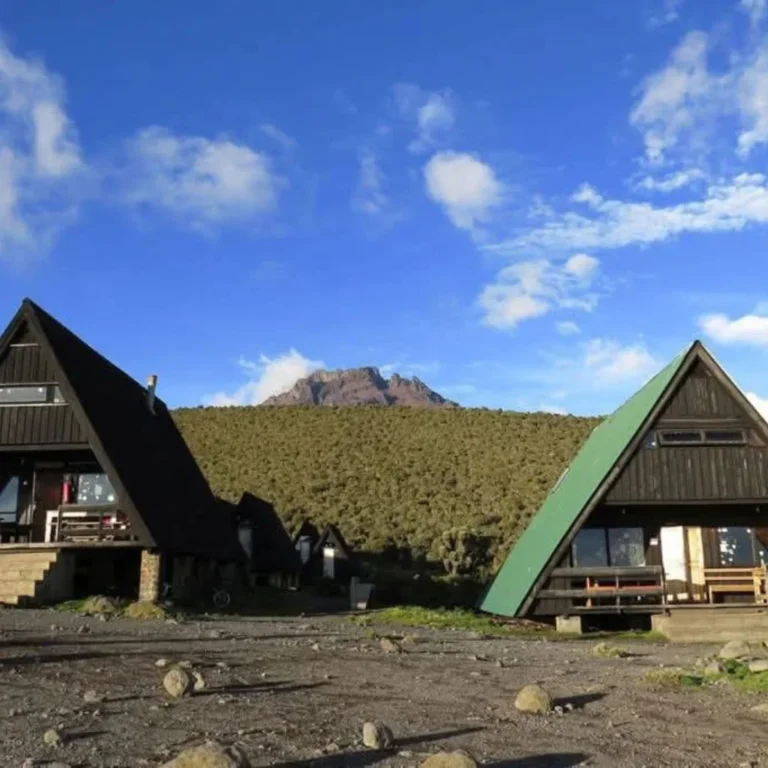
Marangu Route (5 days): The only route with hut accommodation. Shorter duration means less acclimatisation time and lower success rates. Best suited to people with limited available days who understand the trade-off.
Northern Circuit (9–10 days): The longest, least trafficked, most remote route on the mountain. For people who want the most solitude and the most complete circumnavigation experience. The best acclimatisation profile of all routes.
Shira Route (6–7 days): High-altitude start on the Shira Plateau — striking landscape. Shorter approach to high altitude than Lemosho’s western start.
Umbwe Route: Steep, direct, challenging. For experienced trekkers with relevant altitude experience. Not the default recommendation.
If you’re unsure, the Machame or Lemosho is right for most people. Tell us about your fitness level, available days, and budget, and we’ll tell you which one fits your goals best.
Stage 3: Choose Your Dates (4–10 Months Out)
Date selection is closely tied to route selection and to the broader Tanzania itinerary, but here are the weather-driven essentials:
Best windows: January–February, and June–October. These are the dry seasons, when summit weather is most reliable and trail conditions are best.
Avoid if possible: March through May (long rains). This period sees increased precipitation on the lower slopes, trail difficulty, and reduced summit visibility.
Short rains (November–mid-December): These are briefer and less severe than the long rains. Many November climbs proceed fine; mid-December onward is increasingly viable.
Peak season (July–August): Best weather, busiest routes, highest prices, and limited availability — especially on the 7-day Machame and 8-day Lemosho departures. Book early for these months.
Practical timing note: factor in your pre-climb acclimatisation day in Moshi (we do a briefing, gear check, and dinner the evening before the climb). Build in a recovery day after descent before any onward travel. Flying home the day after summit is doable but hard on the body; one extra night in Moshi makes a meaningful difference.
Stage 4: Choose Your Operator (4–10 Months Out, Alongside Dates)
This is a decision that requires more than price comparison, and more than reading reviews. Here’s what actually matters:
Guide ratios. Ask specifically: what is your guide-to-client ratio? The correct answer is one lead guide plus one assistant guide per 2–3 clients. Anything significantly lower cuts the quality of monitoring and support.
Porter welfare. Ask: what do you pay your porters, and how? Direct payment of 10–12 USD per day per porter is the standard for a responsible operator. Weight limits (20kg maximum per porter, verified at the TANAPA gate) matter for porter health. Gear provision — sleeping bags, waterproof kitbags — matters for comfort and dignity on a cold mountain.
Safety protocols. Ask about pulse oximetry monitoring specifically. Is it done twice daily? Do guides carry oxygen cylinders? What’s the evacuation protocol if someone can’t walk? Vague answers to specific questions are informative.
Local ownership. Moshi-based operators who own their guide teams and equipment directly are a different proposition from booking agents who contract out the actual climb. The former has operational skin in the game; the latter is managing a booking margin.
We’ll always give you straight answers to all of these questions. Our safety page and about page have the specifics written out. An operator who deflects specific questions about porter pay or guide qualifications is telling you something important.
Stage 5: Book and Confirm the Details (3–8 Months Out)
Once you’ve chosen route, dates, and operator, the booking process should cover:
Deposit. Secures your date and locks the current price. With Kilimanjaro Sky, a deposit is refundable under our standard cancellation policy.
Group structure. Are you joining a shared departure or booking a private group? Private groups allow you to set your own departure date and have complete guide team dedication. Shared departures are more cost-effective and can be excellent — especially for solo travellers who want company on the mountain.
Standard or Luxury tier. Both include the same safety protocols and guide team. The Luxury tier adds upgraded tents, private portable toilet facilities, and enhanced meal variety. Worth deciding early as it affects the overall cost.
Dietary requirements. Our cook team accommodates vegetarian, vegan, gluten-free, and other dietary needs. Flag this at booking so the food planning starts from the beginning.
Pre-climb extras. Decide if you want to add the Ekanubi Underground cultural experience, a coffee tour, or a waterfall excursion around Moshi before or after the climb. These are genuinely distinct local experiences — not generic tourist add-ons — and they’re best planned early to ensure availability.
Stage 6: Get Fit (3–6 Months Out)
Fitness training for Kilimanjaro is not about becoming a mountain athlete. It’s about building enough cardiovascular base and leg endurance to enjoy the climb rather than just survive it.
The most useful single training metric: long walks with elevation gain, carrying a loaded pack. A day hike with 1,000m of elevation gain, a 6–8kg pack, over 4–6 hours, is better preparation than a week of gym sessions. Do this monthly, increasing distance and elevation as you get closer to departure.
Secondary priorities:
- Cardiovascular base (running, cycling, rowing) — 3x per week
- Leg strength specifically (step-ups, lunges, single-leg work) — the descent demands more from quads than the ascent
- Core strength — improves stability on uneven terrain and in boots you’re not fully accustomed to
The two fitness problems guides most often see on the mountain: poor cardiovascular base (obvious) and weak knees on descent (less obvious — but a Kilimanjaro descent covers 3,000m of vertical drop over one or two days, and unprepared quads turn that into an ordeal).
Stage 7: Sort Out Kit (2–4 Months Out)
Do not leave kit until the last month. The full packing list for Kilimanjaro is detailed on our packing guide, but the key decisions to make early are:
Sleeping bag: You need a sleeping bag rated to at least -10°C (comfort rating, not lower limit). This is more important than most rental gear provides. Many people buy this item and use it for years afterward.
Boots: Need to be broken in over several months. Worn once at home and once on the mountain is not broken in. Blister prevention on a 7-day climb starts with 40+ hours in the boots before you arrive.
Waterproof shell: A genuine Gore-Tex or equivalent jacket, not a water-resistant softshell. Kilimanjaro’s lower zones are wet enough that this matters.
Gloves: This is more important than it sounds. You need liner gloves and insulated outer gloves, with the option to add mittens for summit night. Cold hands at 5,500m are not just uncomfortable — they affect your grip, your dexterity, and your ability to eat and drink.
What your operator provides: Ask your operator what’s included before you buy or rent kit. We provide tents, sleeping mats, cook and dining equipment, sleeping bag (on request/rental basis). Personal items — boots, clothes, sleeping bag, pack — are your responsibility.
Stage 8: Sort Out Travel Logistics (2–3 Months Out)
Flights: Fly into Kilimanjaro International Airport (JRO) near Moshi. Nairobi (NBO) is an alternative hub with more connections, though it requires an additional connection to Kilimanjaro or a 4–5 hour road transfer. Arusha is also a common routing point.
Accommodation: We arrange accommodation in Moshi before and after the climb. For US and UK clients, the night-before briefing and the post-summit recovery night are both in Moshi. We have trusted accommodation partners.
Insurance: Comprehensive travel insurance with altitude rescue coverage to at least 6,000m is essential, not optional. This specifically covers helicopter evacuation if required — which has been used on Kilimanjaro and which costs US$5,000+ without insurance. Standard travel policies often exclude altitude above 4,000m or 5,000m. Read the fine print before purchasing.
Visa: Most US and UK citizens require a Tanzania visa. These are obtained on arrival at JRO or online via the Tanzania e-visa portal. Confirm current requirements with the Tanzania Immigration Services before travel; policies change.
Vaccinations: Yellow fever vaccination is required for entry if you’re transiting through a yellow fever-endemic country. Hepatitis A, typhoid, and meningococcal vaccinations are recommended. Malaria prophylaxis for Moshi and lower altitude areas. Consult a travel clinic 6–8 weeks before departure.
Stage 9: Final Preparations (2–4 Weeks Out)
Confirm all details with your operator. Route, departure date, meeting point, what to bring to the briefing, dietary requirements, any last-minute questions.
Test kit in conditions as close to expected as possible. Wear all your layers. Sleep in the sleeping bag. Walk in the boots for a full day. Summit night gear that hasn’t been tested until you’re at Barafu will have surprises.
Medical check if applicable. Anyone with cardiovascular concerns, respiratory conditions, or significant health history should have a GP visit and bring any relevant documentation.
Diamox decision. If you’re taking it, your GP should have issued the prescription by now. Start the day before the climb begins.
Prepare mentally. This sounds vague, but the summit night on Kilimanjaro has a psychological dimension that physical training doesn’t fully prepare you for. Reading accounts from people who’ve done it — including the honest ones, not just the triumph narratives — helps. Knowing that there’s a hard period between 5,000m and 5,500m, and that it passes, makes it easier to keep moving through it.
The Decision That Matters Most
Of everything in this guide, the two highest-leverage decisions are route selection (which determines acclimatisation time) and operator selection (which determines the quality of care on the mountain). Get those two right, and everything else is preparable.
The Kilimanjaro routes guide goes deeper on route comparisons. Our beginners guide to climbing Kilimanjaro covers the overall experience for first-time Kilimanjaro climbers. And our team in Moshi is available to answer specific questions that no guide article will quite address — the ones that start “but in my specific situation…”
That’s what we’re here for. Reach us through the contact page and we’ll give you a straight answer.