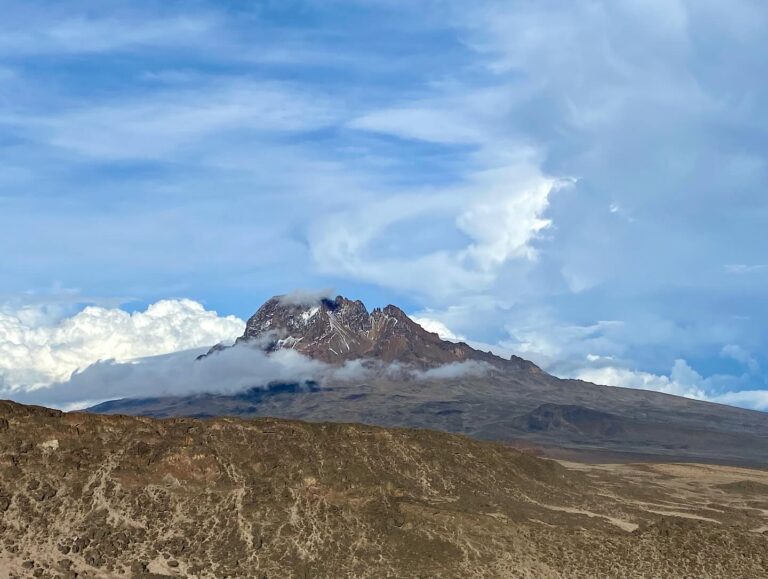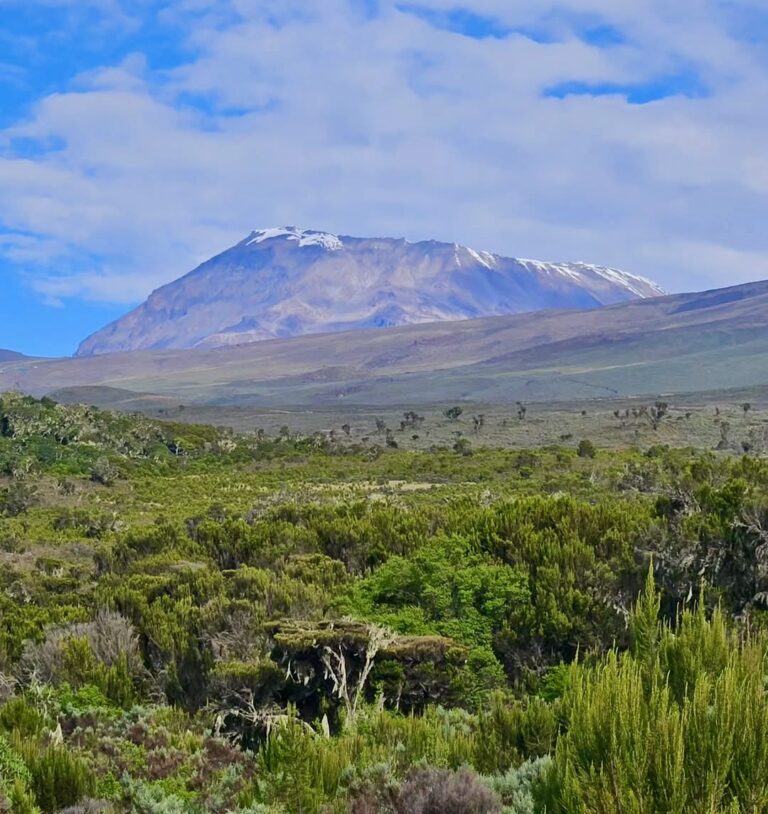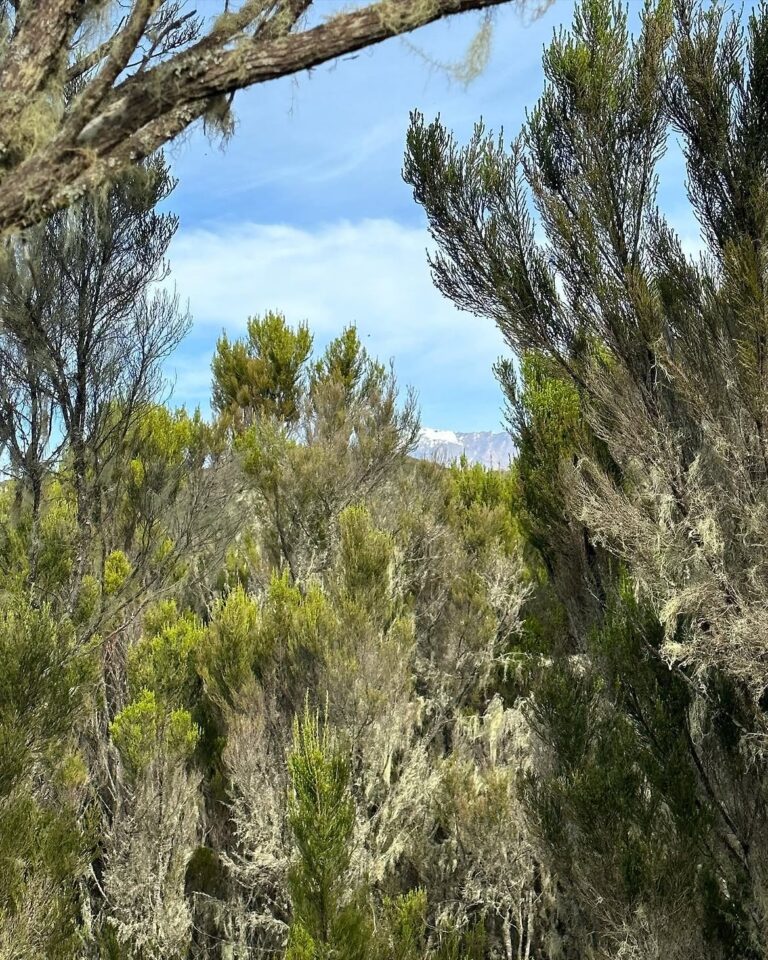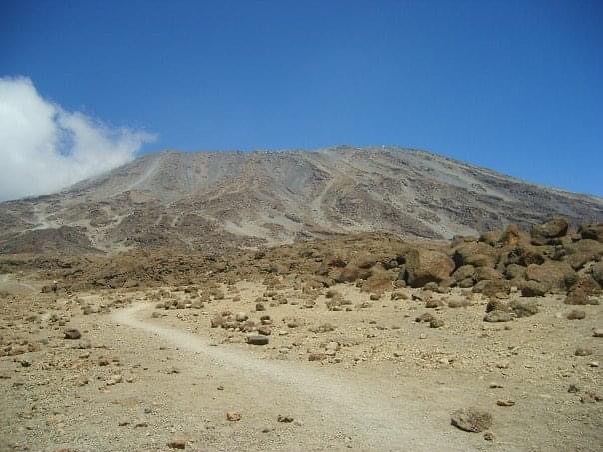
December is an underrated month to climb Kilimanjaro. The short rains of early November are winding down by the first week or two of December, and by mid-month most of the mountain is back in comfortably dry conditions. The final two weeks of December — through Christmas and New Year — are one of the busiest holiday windows of the year, and for good reason: summit success rates on Lemosho and Machame in late December are comparable to July.
There’s a specific pattern to December that most travel blogs simplify. The month splits into three distinct phases, each with different conditions. Getting the timing right within December matters as much as choosing December in the first place.
This is how the month actually plays out, from our team in Moshi.
The Short Answer
Mid-to-late December is a strong climbing window. The short rains are mostly finished, the trails firm up, and the summit-night conditions are typically excellent. Late December — Christmas through New Year — is the most popular holiday climb of the year, with camps and lodges booking out six to nine months in advance.
Early December is transitional. Conditions improve by the day, but the first week or two of the month can still carry residual wet weather from November.
For context on where December sits in the full calendar, our month-by-month best time to climb Kilimanjaro guide covers every window.
The Three Phases of December
Early December (December 1–10): Transition out of the short rains
The short rains on Kilimanjaro typically run from early November through the first week of December, peaking in mid-to-late November. By early December, the weather pattern is easing. Some years, the rains end cleanly by the first of the month; other years, afternoon showers continue through the first ten days.
Climbers in this window should expect variable conditions. Mornings are often clear and excellent for climbing; afternoons can still bring cloud and brief rain on the lower mountain. Summit nights are generally dry, but occasional cloud cover affects visibility.
Our guidance for early December: either pick a drier route (Rongai especially) or plan your itinerary with enough flexibility to absorb one or two wet afternoons on the lower mountain. Packing properly for rain is not optional in this window.
Mid-December (December 11–20): Back to reliable dry conditions
By the second week of December, the short rains are finished and the mountain is in what we think of as “early dry season” — similar in feel to mid-February. Trails dry out, afternoon cloud cover thins, and summit mornings stabilise. Crowds remain low through mid-December, since most holiday-season bookings are clustered around Christmas and New Year.
This is the stealth window in December. Climbing during December 11–20 gives you genuinely good conditions, low traffic, and pricing that hasn’t yet shifted into peak-holiday premium. If your schedule is flexible within the month, target this window.
Late December (December 21–31): Holiday peak
The final ten days of December are the busiest single stretch of the month. Expat families, groups doing a Kilimanjaro-for-New-Year summit, and climbers using holiday leave all converge on this window. Lodges in Moshi and Arusha fill up, transfers tighten, and camps on the popular routes are at capacity.
This is the only period on the Kilimanjaro calendar that rivals July–August for density on the mountain, and it’s a fraction of the total peak-season volume. On Machame in late December you might see 100 to 150 climbers at Barranco Camp — busy, but not the 250 to 300 that July can hit.
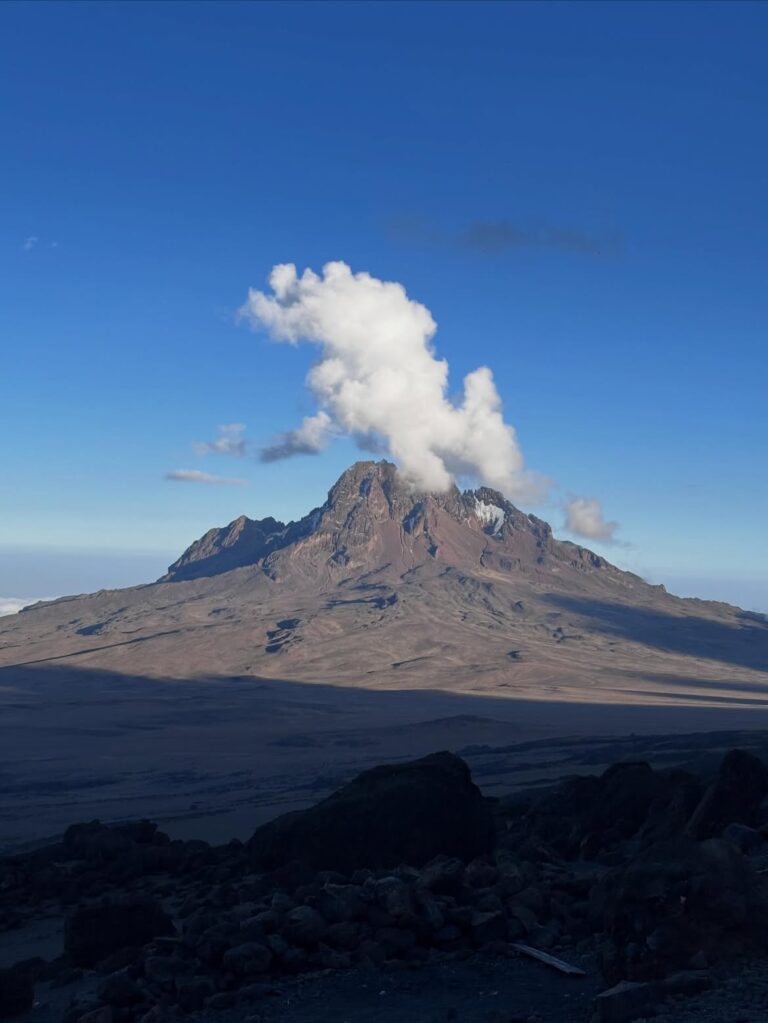
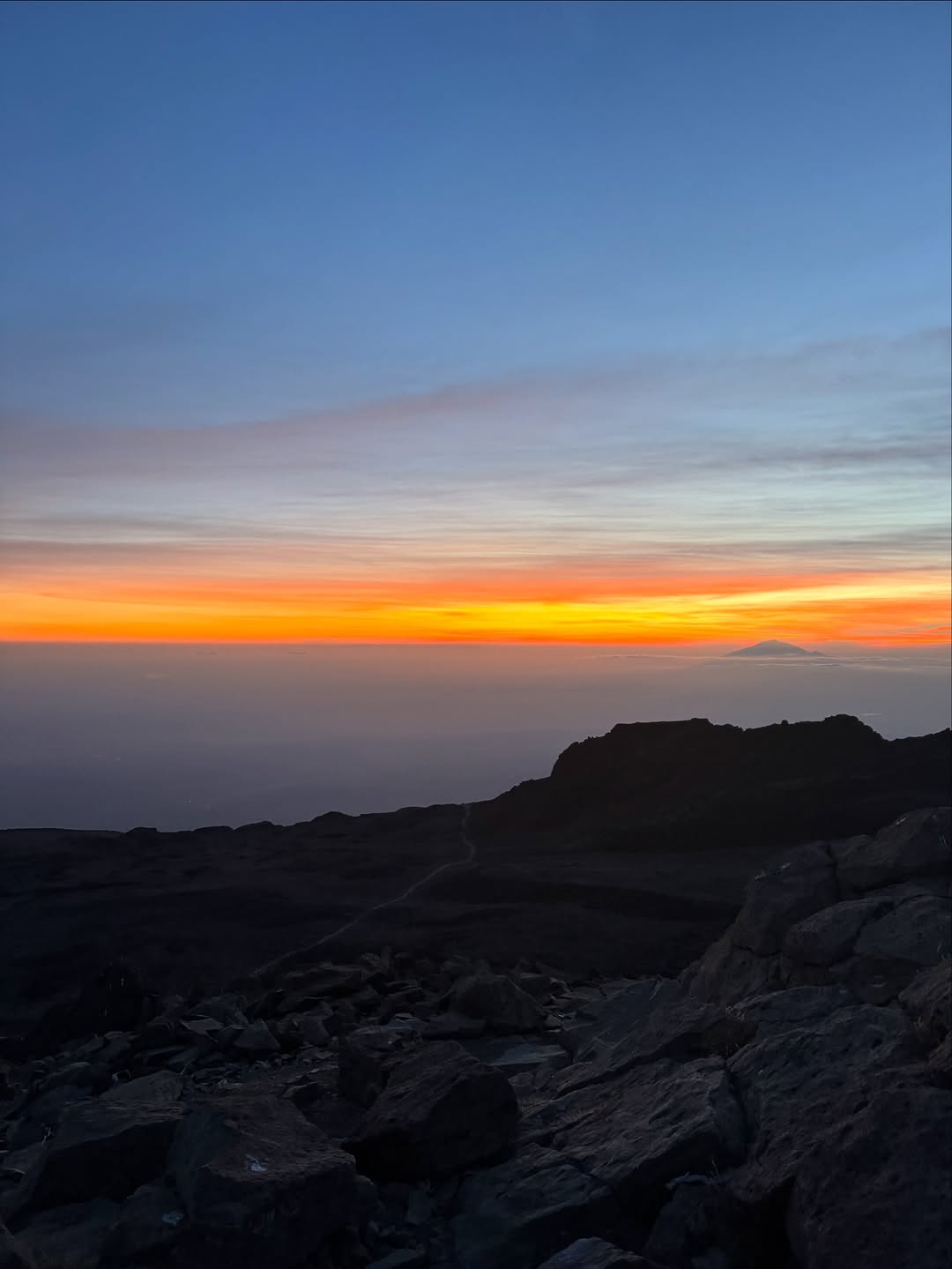
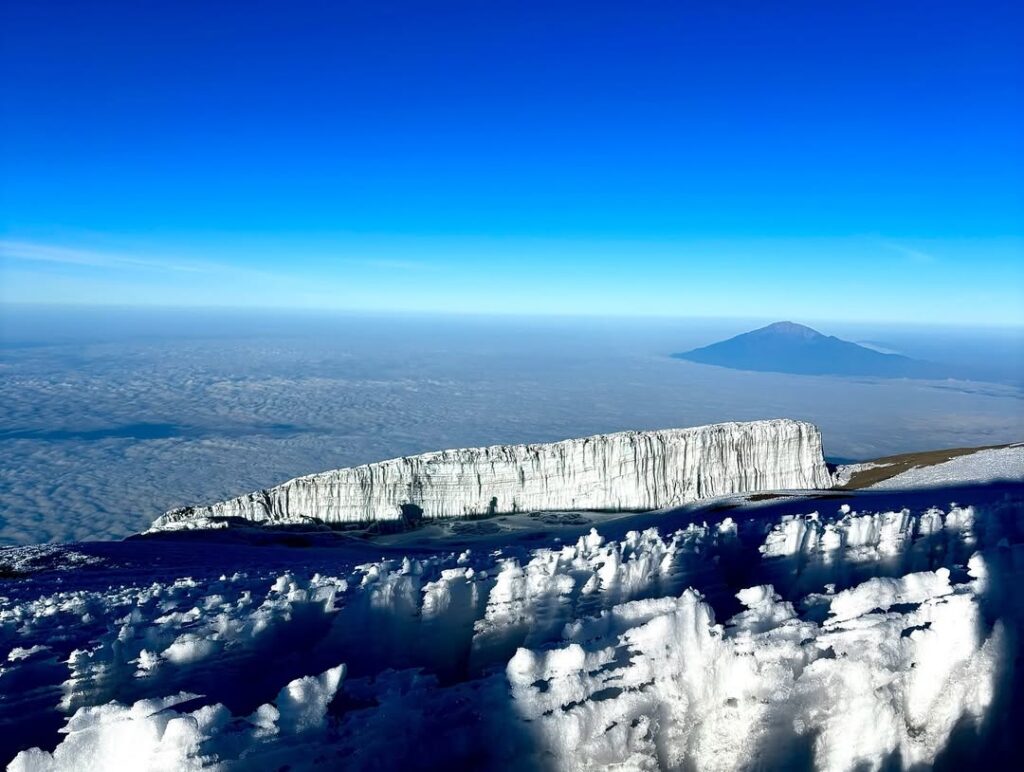
Weather in late December is generally excellent: dry, clear, consistent. Summit mornings on December 26 or December 31 are the stuff of Kilimanjaro photography — clear views to Mount Meru, visible snow on the upper slopes, and the kind of cold, still conditions that make summit photos land.
What December Actually Feels Like
Temperatures
December daytime temperatures are close to July’s — 18°C to 24°C on the lower mountain, 5°C to 12°C in the moorland and alpine desert zones, dropping below freezing overnight above 4,000 metres. Summit night conditions are unchanged: -10°C to -20°C with wind chill between Stella Point and Uhuru Peak.
One real difference from July: the southern slopes in December retain more moisture than in deep dry season. The rainforest zone at the start of the Machame or Lemosho climb feels greener, wetter, and more alive. This is beautiful but practically matters for footwear — boots are likely to get damp on day one on the southern routes.
Visibility
Mid-to-late December often produces some of the clearest summit mornings of the year. The post-short-rain atmosphere is washed out — literally, the dust and haze that can soften views in August and September is gone. On a clear December sunrise from Uhuru Peak, visibility can extend well into Kenya.
Snow and ice
December is one of the months when climbers sometimes encounter fresh snow above 5,000 metres. This isn’t dangerous and doesn’t change the climb meaningfully, but it does affect traction and summit-morning photography. Snow cover on the upper Machame or Mweka descent route can make the scree less punishing on the knees than in the dry season. Snow on the Rebmann and Furtwängler glacier fragments near Stella Point makes for spectacular photos.
Holiday Climbs: Christmas and New Year on the Mountain
A meaningful portion of our December business is climbers specifically wanting to summit on or around Christmas Day or New Year’s Eve. These climbs have their own character.
Christmas Day summit
To summit on December 25, your climb starts on December 19 or 20 for a 6-day Machame, December 18 or 19 for a 7-day Machame, and December 17 or 18 for an 8-day Lemosho. Our guides, kitchen crew, and porters handle Christmas Day climbs with warmth — there’s usually cake at camp, and at Barafu or Kosovo on Christmas Eve the team makes sure you’re genuinely looked after.
The trail on Christmas Day itself (typically descent day if your summit was the morning of the 25th) is quieter than the preceding days. Descending into Mweka or Mweka Gate with crews singing Mungu Ibariki Afrika on Christmas Day is something our returning climbers often describe as one of the highlights of the trip.
New Year’s Eve summit
Summiting on December 31 or January 1 is a booking pattern with real momentum — climbers want to ring in the new year from Uhuru Peak. This means starts in the December 25–27 range for most route options. Camps on the 31st are festive: our kitchen teams put on a special dinner, and midnight at Barafu before the summit push has a particular energy.
Weather on New Year’s Eve summit nights is typically excellent — consistent with the second half of December. Crowds on the summit on January 1 can be significant on the Machame route; Northern Circuit and Rongai are meaningfully quieter.
Best Routes for December
For early December (residual wet weather)
- Rongai Route (6–7 days) — our top pick for early December. Rongai sits in the mountain’s rain shadow and stays drier than the southern approaches.
- Lemosho (8 days) — workable; the western approach is slightly drier than Machame, and the longer itinerary absorbs weather variability.
For mid-to-late December
All routes are in good condition.
- Lemosho (8 days) — highest success rate, most complete acclimatization, still comparatively quiet even in late December.
- Machame (7 days) — the classic Kilimanjaro climb with the acclimatization day at Karanga. Our most-booked route for Christmas and New Year.
- Northern Circuit (9–10 days) — for climbers who want a quiet trail even during the holiday week. Remarkable during December.
Less ideal for December
Marangu’s hut system works reliably in December, but the short 5-day itinerary leaves little margin for weather variability early in the month. If you’re set on Marangu, mid-to-late December is a safer window than the first ten days.
Our full routes overview compares all options.
Booking Windows and Pricing
Christmas and New Year departures
Peak-of-peak for December. Lodges in Moshi for the nights of December 22–24 and December 29–January 1 book out earliest — sometimes a full year in advance. If you want to summit on Christmas Day or New Year’s Eve, start planning by mid-year.
Pricing across Kilimanjaro operators, including ours, reflects holiday demand. The park fees (which account for roughly two-thirds of any reputable operator’s costs) are unchanged, but lodge rates, transfer costs, and crew availability are tighter. Expect 10–15% higher prices for the Christmas–New Year window versus mid-December.
Mid-December departures
Much more flexible. Three to four months of lead time is sufficient for preferred dates. Pricing is standard dry-season — comparable to March or October.
If you want to align your summit with a full moon — which can happen close to Christmas depending on the year — check our Kilimanjaro full moon dates guide for the upcoming windows.
What to Pack Specifically for December
Standard Kilimanjaro packing, with a few December-specific adjustments:
- Rain gear for early December. Shell jacket, shell pants, pack cover, waterproof daypack liner. Not optional.
- Gaiters. Useful on wet trail sections in the first half of the month; less critical after December 15.
- Warmer layers at camp. December nights at high-altitude camps (Barranco at 3,960 m, Karanga at 3,995 m, Barafu at 4,673 m) feel cold. A proper fleece and insulated jacket at camp, not just on summit night.
- Boot waterproofing. Treat your boots before the climb, especially if you’ll be in the forest zone before December 10.
- Category 4 sunglasses and high-SPF sunscreen. The UV at altitude is extreme regardless of month, and December sun combined with snow reflection above 4,500 metres is particularly intense.
Full list in our Kilimanjaro packing list.
Combining December with a Safari
December is a strong safari month. The Great Migration herds are typically in the southern Serengeti by late December, calving in the south in January and February. Ngorongoro Crater is in good condition — the short rains freshen the landscape, and game viewing is reliable year-round in the crater. If you climb late December and stay into early January, you catch the build-up toward the southern Serengeti calving season, which is one of the most dramatic wildlife events in East Africa.
Our packages page outlines combined climb-and-safari options. Given the holiday booking density, plan combined Kilimanjaro-plus-safari December trips early.
Altitude in December
The physiological reality of altitude doesn’t change with the calendar. December’s generally mild weather can make climbers complacent about pace — don’t be. The acclimatization process is identical.
Our guides run pulse oximetry checks morning and evening. SpO2 readings below 75% or drops greater than 5% between checks trigger reassessment. Confusion, persistent cough, or breathlessness at rest means descent regardless of readings. Our full protocol is on the safety page.
Our Honest Take
December is a more strategic calendar pick than most climbers realise. The stealth window — mid-December — offers excellent conditions, low crowds, and reasonable pricing. The holiday window — late December through January 1 — trades crowds and premium pricing for genuinely special summit dates.
The trap is early December. Climbers looking at “December weather averages” often see the post-rain improvements and assume the whole month is dry. The first week or ten days can still be transitional, and if your only option is early December, plan accordingly: drier route, rain gear, longer itinerary.
If your dates are fixed for Christmas or New Year, book six to nine months out and pick an operator whose small-group structure doesn’t expand in peak windows. At Kilimanjaro Sky, our group size stays four to ten year-round, December included. Our about page explains why we don’t scale groups up for peak season, and what that means for your climb.
When you’re ready to talk through December dates, get in touch. We’ll give you an honest read on the window, the route, and whether to target the quiet mid-month or lean into the holiday summit experience.