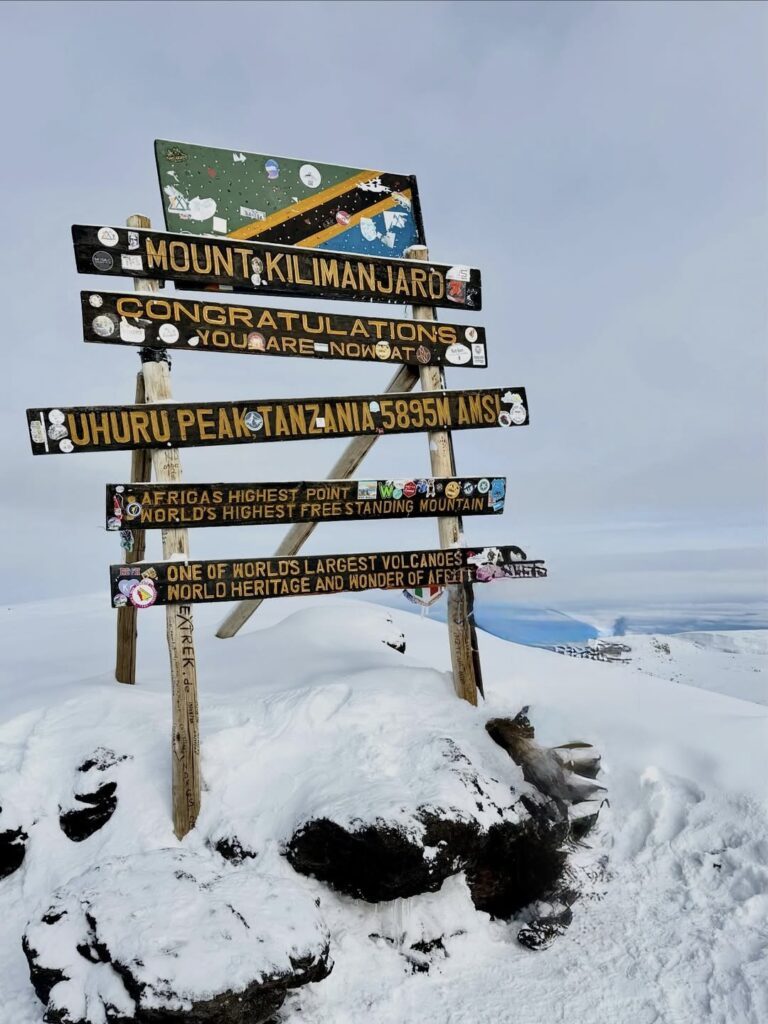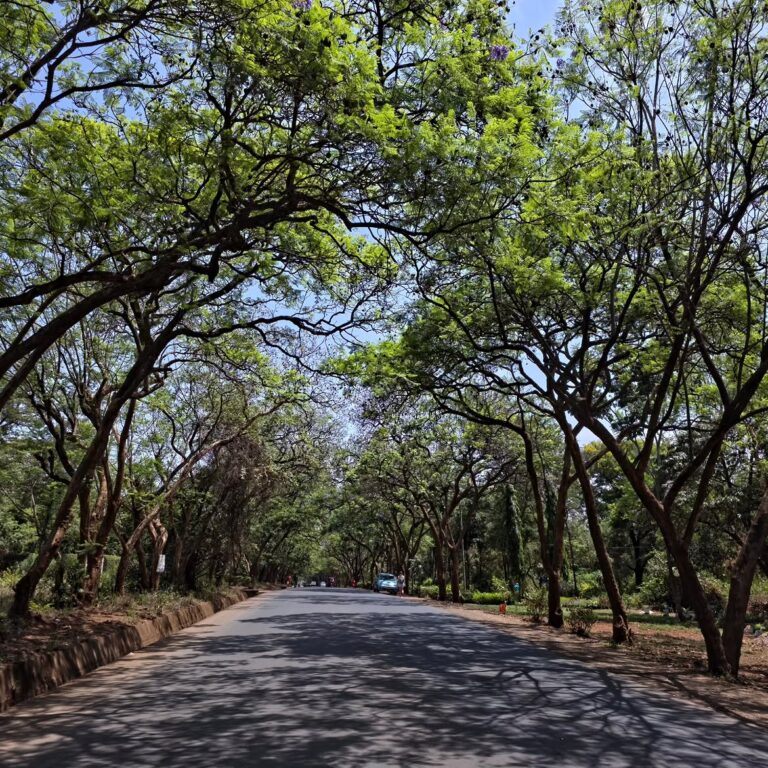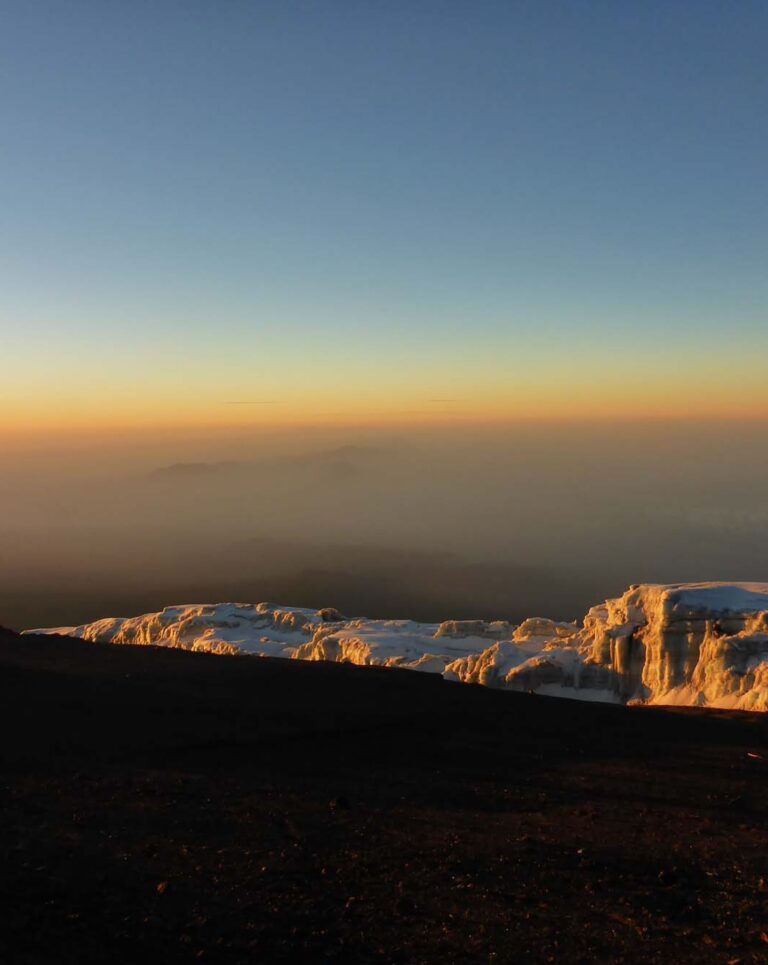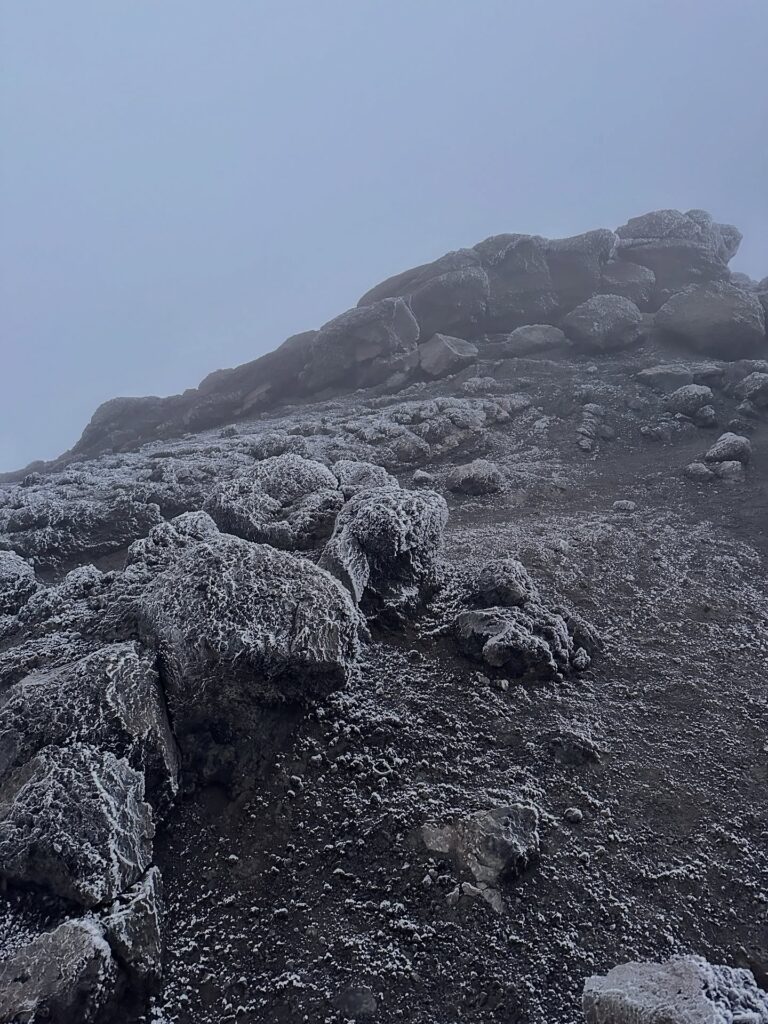
Mount Kilimanjaro sits in the northeastern corner of Tanzania, in East Africa, roughly 300 kilometres south of the equator and just 50 kilometres south of the border with Kenya. The nearest town — and the base for almost every climb — is Moshi, a 40-minute drive from the main park gates.
That’s the short answer. The longer answer, which matters more if you’re planning a climb, covers where the mountain actually lies on a map, what region it belongs to, and how most climbers get from their home country to the trailhead. This guide walks through all of it.
If you’re already thinking seriously about a climb, our routes overview covers the seven ways up the mountain, and our packages page covers what’s included.
The Precise Location
Kilimanjaro is located at approximately 3.0674° S latitude and 37.3556° E longitude. In plain terms, that places it:
- In the Kilimanjaro Region of northern Tanzania
- About 330 kilometres south of the equator
- Around 270 kilometres west of the Indian Ocean coast
- 50 kilometres south of Kenya’s southern border
- Roughly 800 kilometres from Dar es Salaam, Tanzania’s largest city
The mountain rises alone from the surrounding plains — it isn’t part of a mountain range. That freestanding character is part of what makes it one of the most photographed mountains in the world. From the plains of Amboseli National Park in Kenya, you can see the entire mountain from base to summit on a clear morning, which is why so many iconic “Kilimanjaro” images are actually shot from the Kenyan side.
A common misunderstanding follows from this: people sometimes assume Kilimanjaro is in Kenya because that’s where the famous postcard views come from. It isn’t. The entire mountain — every ridge, every glacier, every camp, every gate — lies inside Tanzania. We cover this in more detail in our post on whether Kilimanjaro is in Kenya or Tanzania.
The Region
Kilimanjaro gives its name to a full administrative region of Tanzania — Kilimanjaro Region — and to the national park that surrounds the mountain itself, Kilimanjaro National Park, established in 1973 and designated a UNESCO World Heritage Site in 1987.
The region is the historical homeland of the Chagga people, one of Tanzania’s largest ethnic groups, who have farmed the fertile volcanic soils of the lower slopes for centuries. Chagga coffee, grown between 1,000 and 1,800 metres on the mountain’s southern flanks, is among the best arabica in East Africa. If you add a few extra days to your climbing trip, Chagga cultural experiences — including the Ekanubi Underground, a network of defensive tunnels built into the volcanic rock — are some of the most distinctive add-ons available around Moshi.
Moshi: Your Base Town
Almost every Kilimanjaro climb starts and ends in Moshi, a small city of around 200,000 people that sits on the southern slopes of the mountain at about 900 metres of elevation. On a clear day, Kilimanjaro’s snow-capped summit is visible above the rooftops — an unusual experience for a town centre.
Moshi is where our team is based, where pre-climb briefings happen, and where most climbers spend at least one night before heading to the trailhead. It’s a friendly, walkable town with a strong coffee culture (reasonably so — it sits in the middle of some of Tanzania’s best coffee country). Your pre-climb day in Moshi is typically spent on a gear check, a detailed briefing with your lead guide, and a good meal.
If you want to understand how we operate from here, our About page covers who we are and why we built this company in Moshi specifically.
How Climbers Actually Get to Kilimanjaro
There are three practical routes to the mountain, depending on where you’re flying from:
1. Kilimanjaro International Airport (JRO)
This is the standard option and the one we recommend. JRO sits between Moshi and Arusha, about 45 minutes from Moshi by road. Direct flights operate from Amsterdam (KLM), Doha (Qatar Airways), Addis Ababa (Ethiopian Airlines), Istanbul (Turkish Airlines), and several regional East African hubs. Most US and UK climbers connect through one of these hubs.
We include airport pickup at JRO with every climb package. Your driver meets you at arrivals and drives you directly to your hotel in Moshi.
2. Nairobi (NBO) plus shuttle or flight
Some climbers fly into Jomo Kenyatta International in Nairobi — often cheaper for travellers coming from the US or UK — then take a shuttle bus (around 6 hours) or a short connecting flight (about 45 minutes) to Kilimanjaro Airport. This works but adds half a day to each end of your trip.
3. Dar es Salaam (DAR) plus domestic flight
Tanzania’s main airport is in Dar es Salaam, on the coast. From there, domestic flights run to Kilimanjaro Airport in about an hour. This routing usually only makes sense if you’re combining your climb with a coastal or Zanzibar stay.
From Moshi to the Trailhead
The mountain has seven gates, one for each climbing route. Travel time from Moshi to the gate varies:
- Machame Gate: 45 minutes
- Marangu Gate: 45 minutes
- Londorossi Gate (Lemosho/Shira start): 2.5 to 3 hours
- Rongai Gate (northern approach): 3 to 4 hours
- Umbwe Gate: 1 hour
Your transfer is included in every package. On the morning of your first day, your guide meets you at the hotel and you travel together to the gate for registration, weighing of porter loads (enforced by the Tanzania National Parks authority), and the start of the climb.
Why Location Matters for Your Climb
Kilimanjaro’s geography has real consequences for what the climb is like.
Because it sits so close to the equator, the mountain experiences two distinct wet seasons — the long rains (March to May) and the short rains (November) — rather than the four-season pattern most Northern Hemisphere climbers expect. This shapes when you should go. Our post on the best time to climb Kilimanjaro covers the seasonal windows in detail.
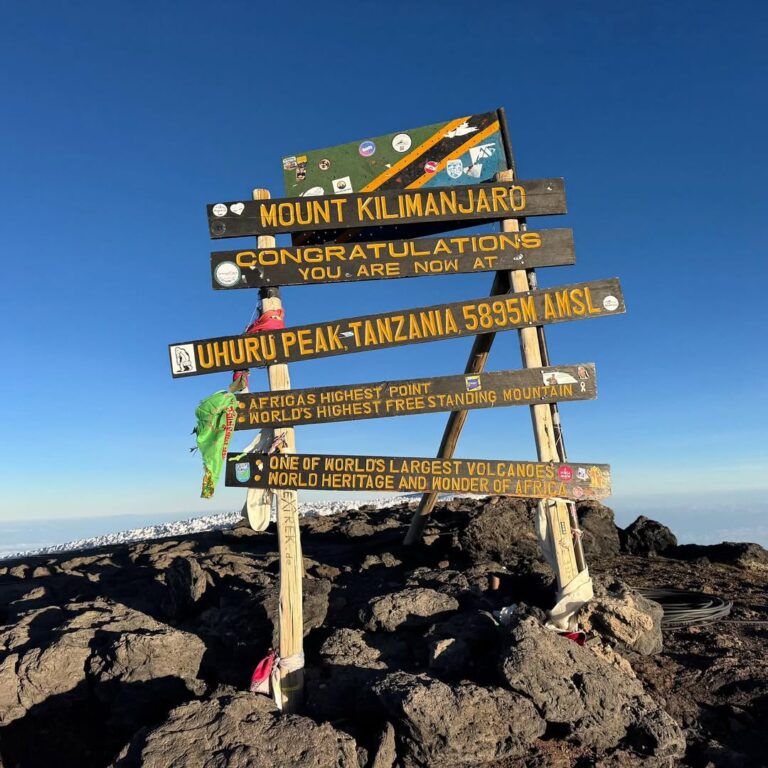
Because Kilimanjaro rises from around 900 metres at Moshi to 5,895 metres at Uhuru Peak, you climb through five distinct ecological zones — from cultivated slopes through rainforest, heath and moorland, alpine desert, and finally the arctic summit zone. We cover these in depth in our guide to Kilimanjaro’s climate zones.
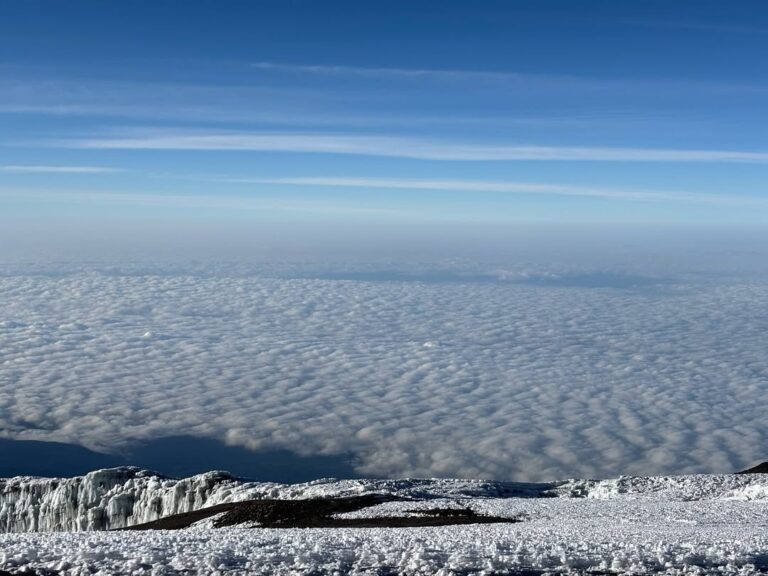
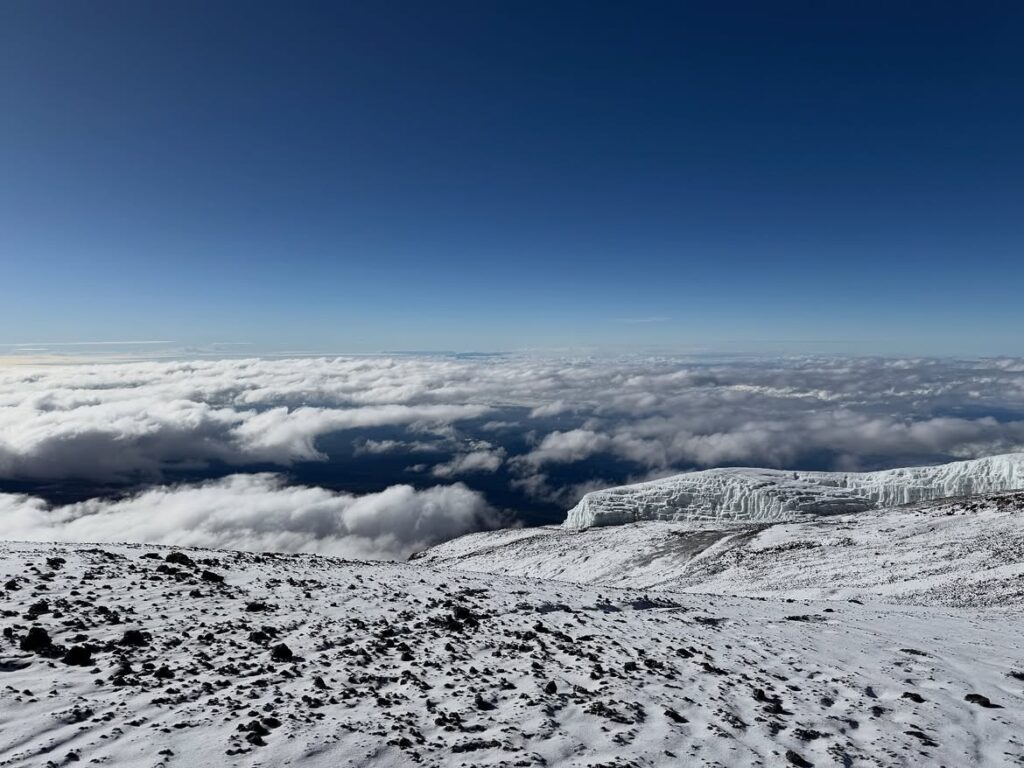
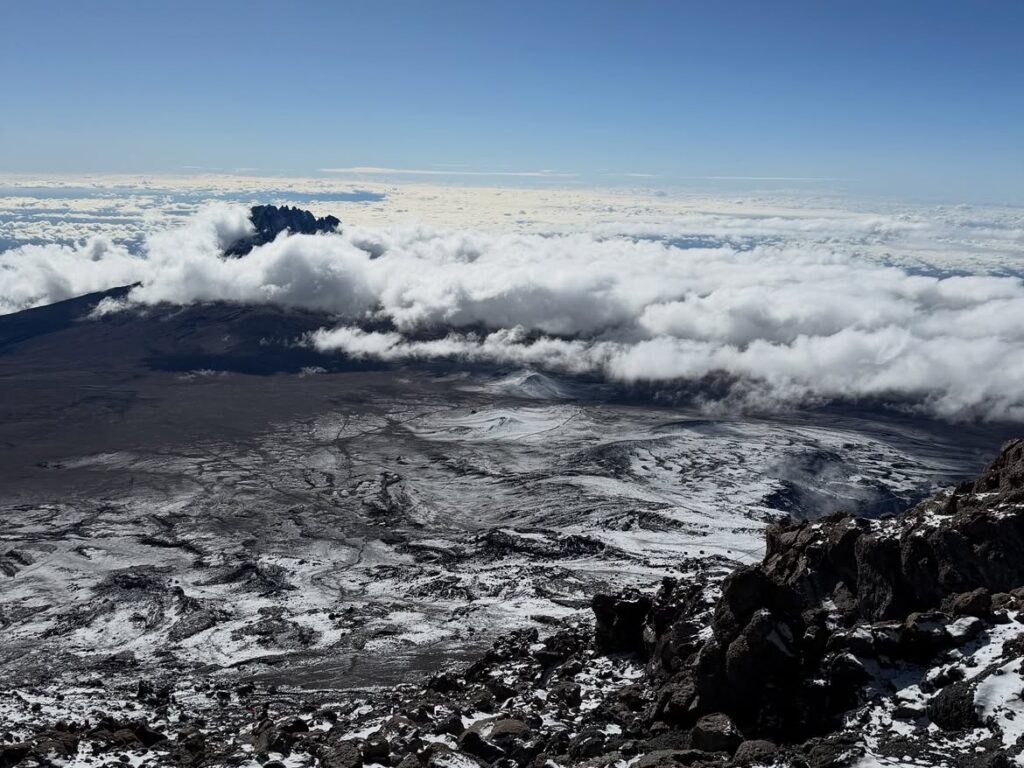
And because the mountain is freestanding rather than part of a range, the view from the summit — on a clear morning — extends for hundreds of kilometres in every direction. On exceptional days you can see Mount Meru to the west, the Rift Valley, and the plains of Kenya stretching north.
The Short Version
Kilimanjaro is in Tanzania, in the northeastern corner of the country, 50 kilometres from the Kenyan border and a short drive from Moshi. Your journey starts by flying into Kilimanjaro International Airport, spending a night in Moshi, and driving to your chosen gate the next morning.
If you’d like to talk through the logistics for your specific trip — flights, timing, route choice — get in touch and we’ll work it through with you.