July sits in the middle of Kilimanjaro’s long dry season, which is why it’s the most-booked month on the mountain. The weather is predictable, the trails are firm, and the summit-night skies tend to be clear. If you’re choosing July for your climb, you’re choosing the statistically safest bet on the calendar.
You’re also choosing the busiest conditions of the year. Peak season on Kilimanjaro is not theoretical — you’ll see it at camps, on the trail, and in booking lead times. July works extremely well for most climbers, but going in with a clear picture of what that month actually looks like makes a real difference to the experience.
This is an honest breakdown from our team in Moshi, built from what we see on the mountain every July.
The Short Answer
July is an excellent month to climb Kilimanjaro. Conditions are as close to guaranteed as any month on the mountain gets: dry days, cold nights, low rainfall, and good visibility from the lower forest through to Uhuru Peak.
The trade-off is foot traffic. Popular routes like Machame fill up, and camps in July are at or near capacity most nights. If you’re sensitive to crowds, route and operator choice matter more in July than in almost any other month.
For a year-round overview, our month-by-month guide to the best time to climb Kilimanjaro puts July in context with the rest of the calendar.
What July Actually Feels Like on the Mountain
Weather and temperature
July is dry. This is the defining feature of the month and the main reason it draws so many climbers. The long rains (March through May) are well behind, and the short rains (November) are still four months out. Daytime temperatures at the lower elevations — the Machame, Lemosho, and Londorossi gates, the rainforest zone up to around 3,000 metres — are in the range of 18°C to 24°C (65°F to 75°F). Comfortable trekking temperatures, dry air, firm ground underfoot.
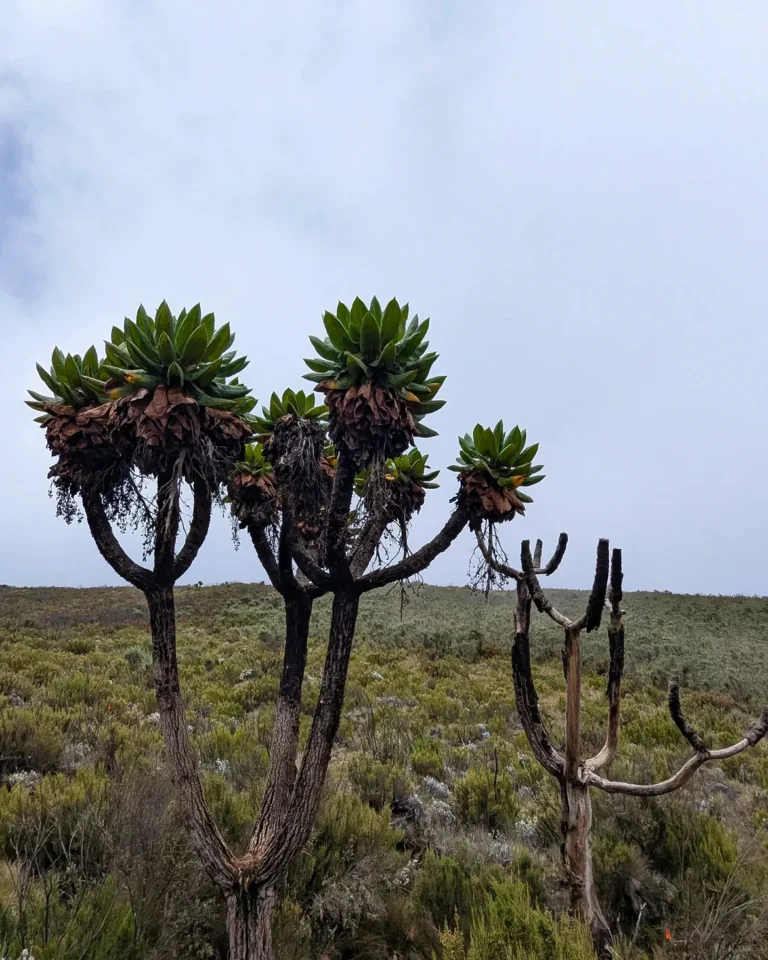
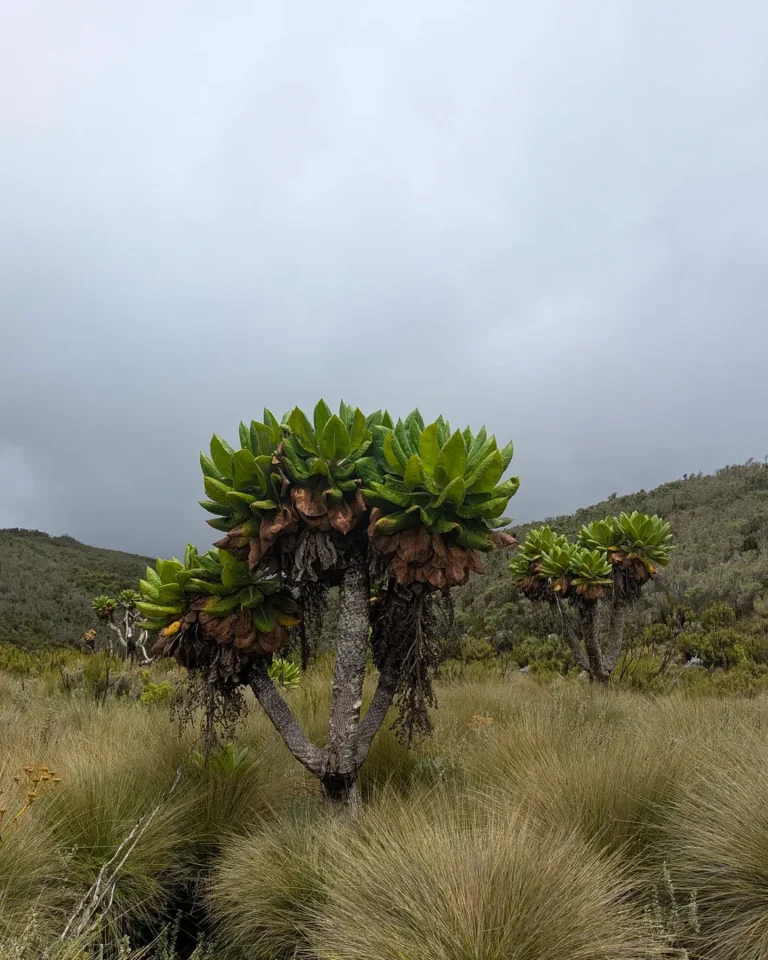
As you gain altitude, temperatures drop steadily. By the time you reach the moorland and alpine desert zones between 3,500 and 4,500 metres, daytime temperatures are closer to 5°C to 12°C (41°F to 54°F), and nights drop below freezing. At Barafu, Kosovo, or Kibo camps before summit night, expect nighttime lows around -5°C to -10°C (23°F to 14°F).
Summit night is cold regardless of month. Between Stella Point and Uhuru Peak, expect temperatures of -10°C to -20°C (14°F to -4°F) with wind chill. This is not noticeably warmer in July than in January or February. Your Kilimanjaro packing list should assume full winter summit conditions, regardless of season.
What July gives you is reliability. The likelihood of a whiteout, heavy snow on the summit approach, or persistent rain on the lower mountain is lower in July than at almost any other point in the year.
Rainfall
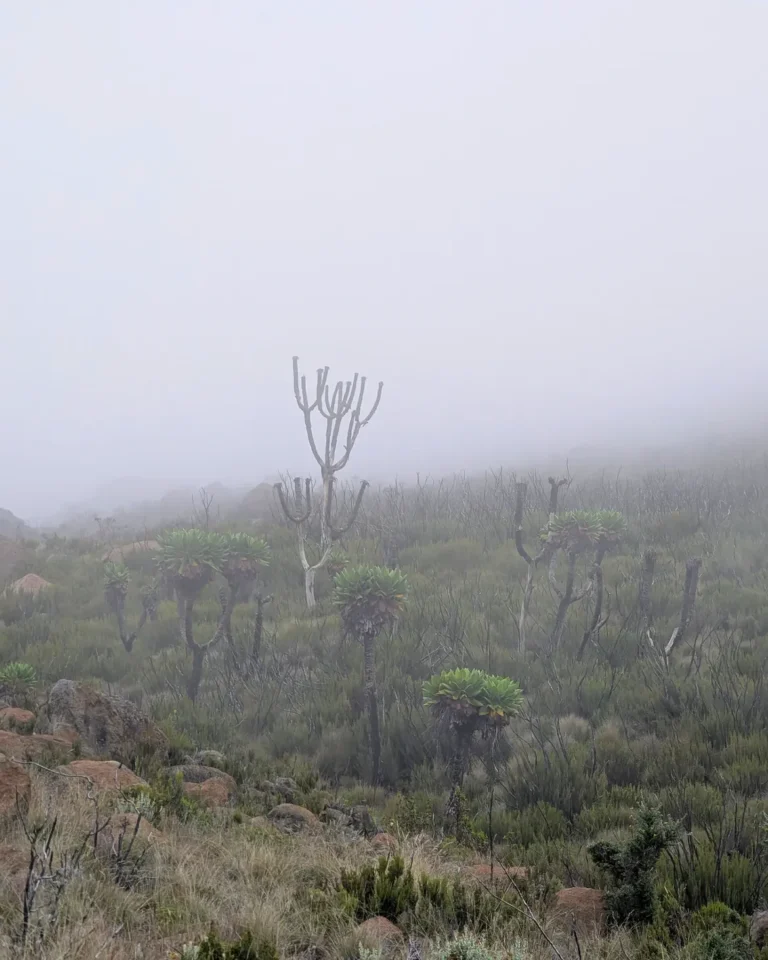
Statistically, July is one of the three driest months on Kilimanjaro (alongside August and September). On the southern routes — Machame, Lemosho, Umbwe — the rainforest zone at the start of the climb is at its least humid. You may still get brief afternoon rain showers in the forest (it’s a rainforest; that’s how it works), but multi-day rain is unusual.
The northern approach — Rongai — is even drier. Rongai sits in the mountain’s natural rain shadow year-round, and in July the route feels almost desert-like in places.
Visibility
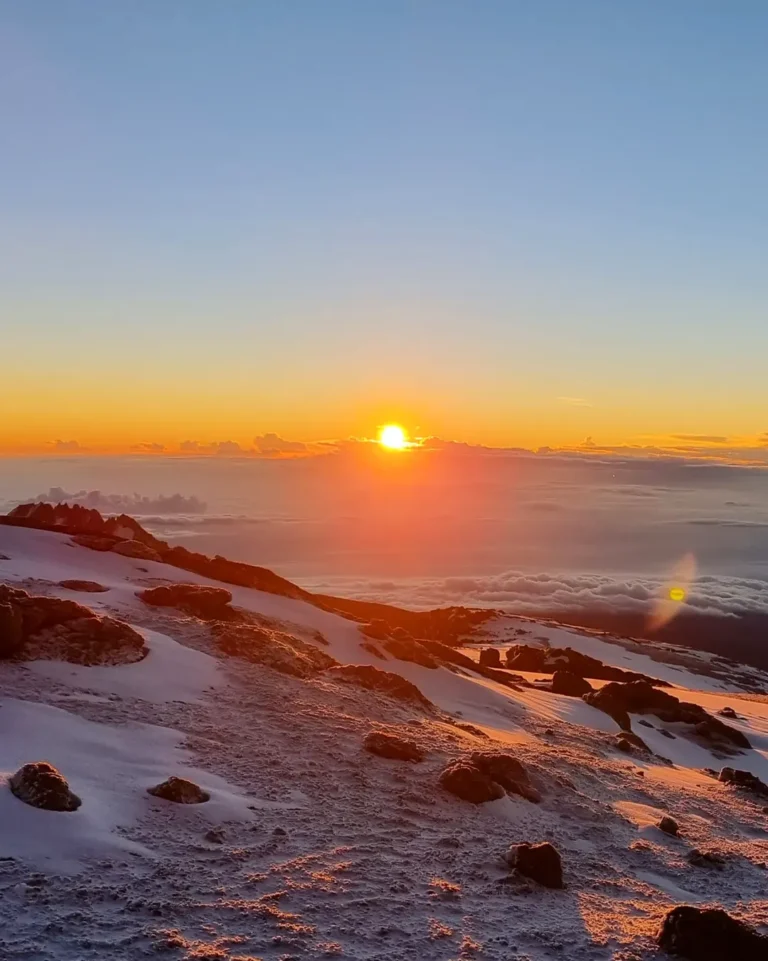
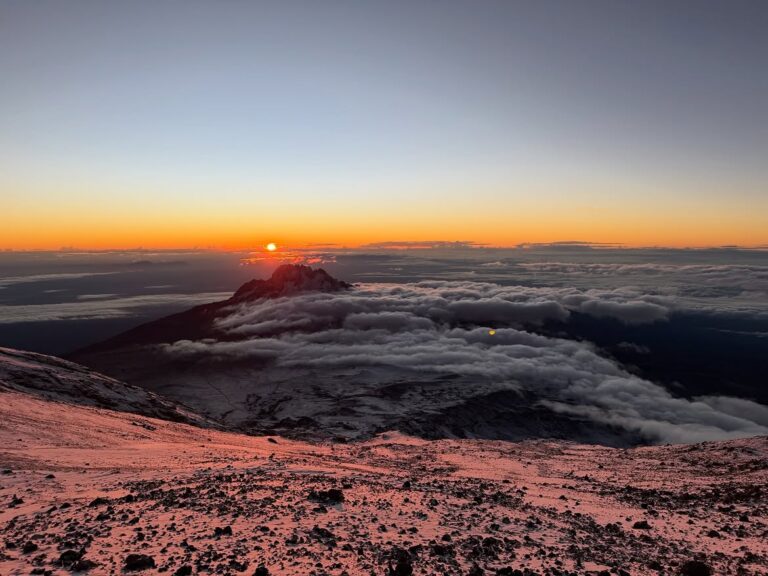
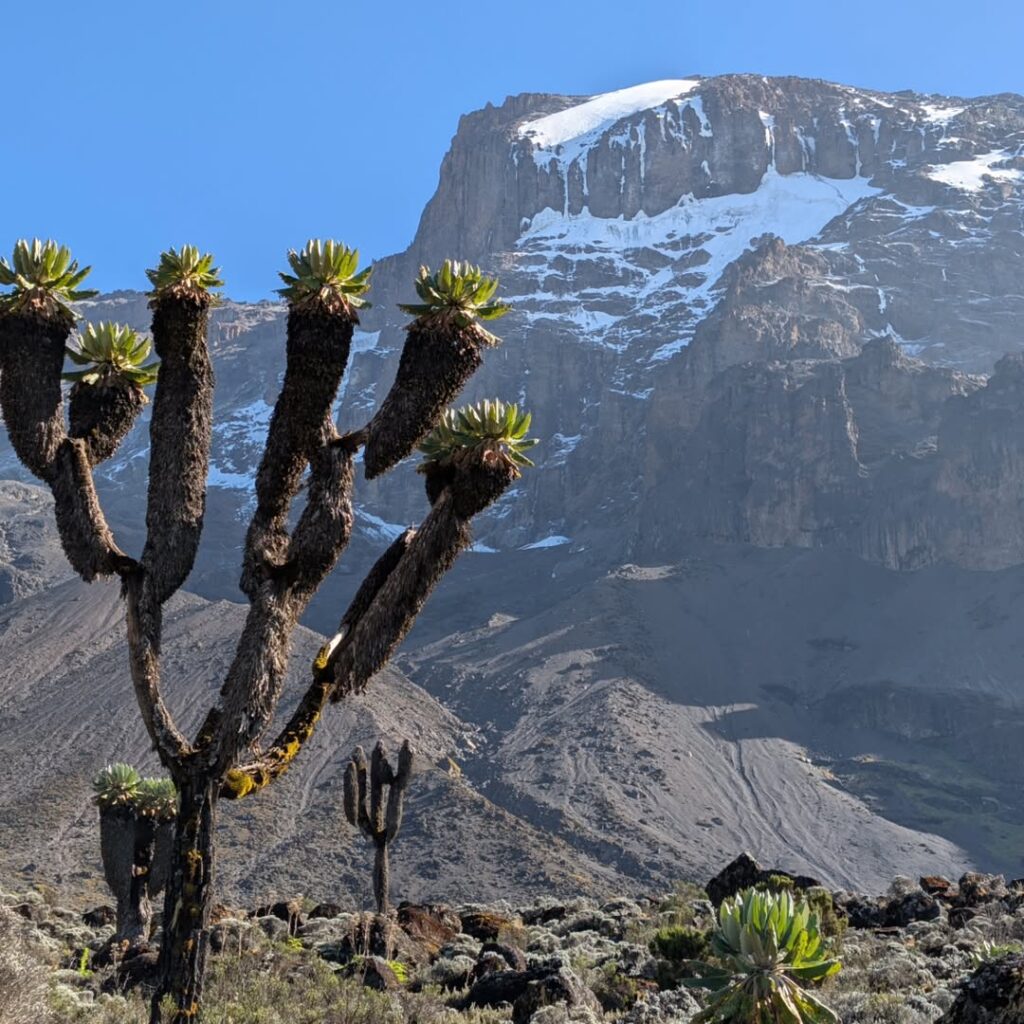
July is when Kilimanjaro shows itself. Clear mornings with a full view of the summit from Shira Plateau, Barranco Camp, and the Saddle between Mawenzi and Kibo are standard. Summit sunrises in July are typically unobstructed, with Mount Meru visible to the west and the Kenyan Chyulu Hills visible to the north.
If photography is a priority, July is the easiest month to work with.
The Crowd Question
This is the part most travel blogs gloss over, and it’s the single biggest thing to plan around if you climb in July.
What “busy” actually means
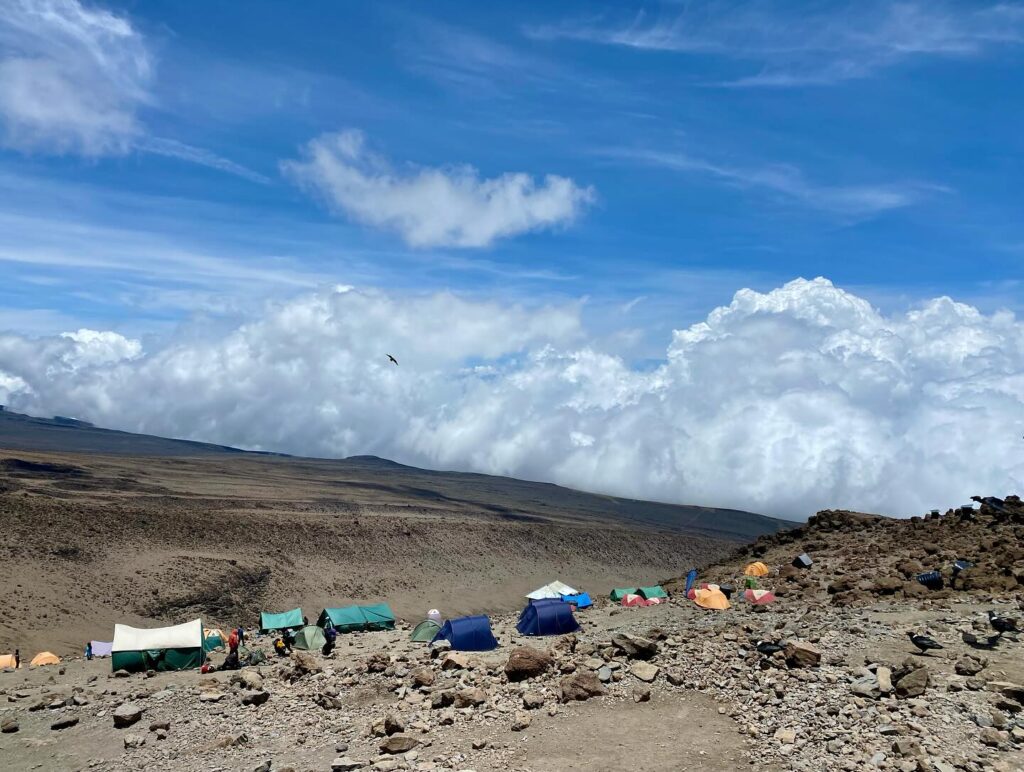
On the Machame Route in July, major camps — Shira, Barranco, Karanga, Barafu — can host 150 to 300 climbers per night. That’s tents packed shoulder to shoulder, shared trail sections during peak walking windows, and a real queue at the Barranco Wall in the morning. Summit night on Machame in July can see 80 to 200 people starting from Barafu Camp around midnight, all aiming for the same narrow window at Stella Point.
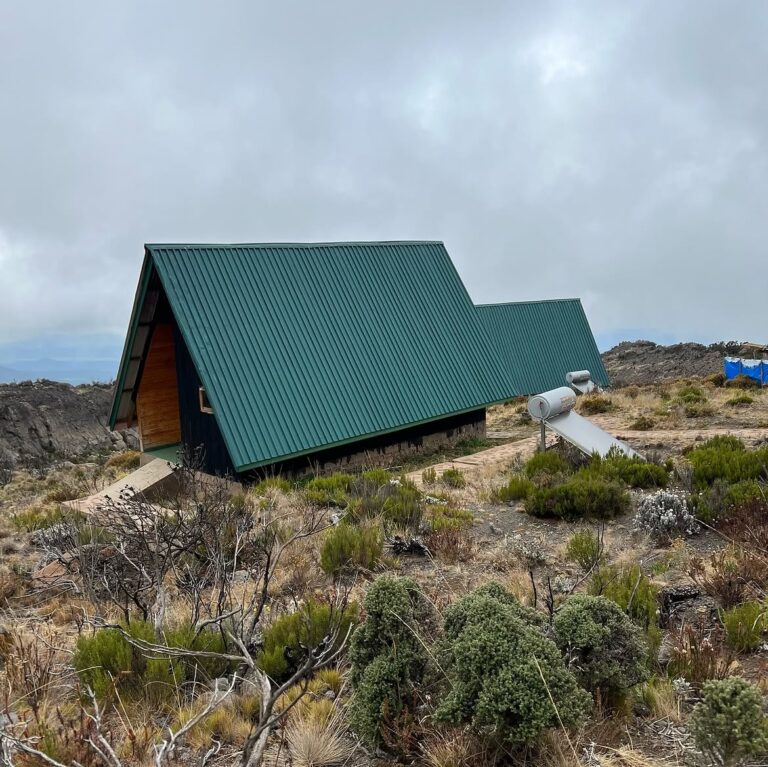
Marangu in July is similar — the hut system actively constrains capacity, but that means Horombo and Kibo huts are at capacity most nights, with little margin for weather delays.
This is not a dealbreaker. Thousands of climbers summit Kilimanjaro in July every year and have tremendous experiences. But it’s useful to know what you’re booking into.
How to climb July without feeling like you’re in a queue
Three practical moves make a real difference:
Pick a quieter route. The Lemosho Route over 8 days, the Rongai Route over 6 or 7 days, and the Northern Circuit over 9 to 10 days all see a fraction of Machame’s traffic, even in July. Northern Circuit in particular circumnavigates the mountain on trails where you can walk for hours without seeing another group.
Start your summit push off the standard window. Most groups leave Barafu between 11 p.m. and midnight to hit Uhuru Peak around sunrise. Adjusting start time by 90 minutes in either direction — earlier for a pre-sunrise summit, later for a post-sunrise photography summit — separates you from the main push.
Choose an operator running small groups. Most operators increase group sizes during July peak season to hit demand. At Kilimanjaro Sky we don’t — group sizes stay the same four to ten climbers year-round. That’s a deliberate choice, and in July it’s the choice that gives you space to actually hear your guide and have the climb feel like yours rather than a convoy.
For more on how crowding plays out across the year, our guide on whether Kilimanjaro is crowded goes deeper.
Booking and Pricing in July
Lead times
If you want to climb Kilimanjaro in July, start planning six to nine months out. This isn’t a hard rule — last-minute bookings do happen — but the realistic window for choosing your preferred dates, route, and accommodation on either end of the climb tightens meaningfully after February for the coming July.
The most popular summit dates — the two weeks surrounding a full moon, departures aligned with the summer school holiday, and any departure in the first week of July — book out first. If your dates are locked in by an employer, a fundraising calendar, or a group commitment, secure them as early as you can.
If you want to line up your climb with a full moon summit, our Kilimanjaro full moon dates guide lists the upcoming windows.
Pricing
Peak-season pricing applies to July across almost every Kilimanjaro operator, including us. Park fees are fixed by the Tanzania National Parks Authority and don’t vary by month — those are roughly 60 to 70 percent of any reputable operator’s pricing. What varies is logistics, staffing, and gear costs, all of which are tighter in peak season.
Budget climbers sometimes try to fit July into a lower-season price range by cutting corners on guides, crew ratios, or safety equipment. This almost always shows up as a lower summit success rate, worse porter conditions, and a less safe climb. For more on where costs genuinely come from and where they shouldn’t be cut, our climbing Kilimanjaro on a budget guide breaks it down.
Best Routes for July
Because weather is reliable across the mountain in July, the usual weather-based route arguments matter less. What matters in July is crowding and acclimatization.
Lemosho (8 days)
Our most-recommended July option for most climbers. Lemosho starts on the western side of the mountain, joins the main trail near Shira 2 Camp, and takes the same southern circuit route that Machame uses — but with two extra acclimatization days and far fewer climbers on the opening stretch. Summit success on the 8-day Lemosho is among the highest on the mountain across all seasons.
Northern Circuit (9–10 days)
The quietest route on Kilimanjaro, and the best acclimatization profile. Northern Circuit climbers spend the highest-altitude days on trails where July crowd levels feel like September or October on Machame. If you have the schedule flexibility and want a July climb that doesn’t feel like peak season, this is the choice.
Rongai (6–7 days)
The north-side approach. Rongai is dry year-round and especially dry in July. It’s noticeably quieter than the southern routes and has a distinct character — different vegetation, different views, different summit approach via Gilman’s Point. Works well for climbers who want a shorter itinerary than Lemosho but still want to avoid the Machame crowds.
Machame (6–7 days)
Still a strong climb in July. If you’re fine with the crowds and want the classic Kilimanjaro experience, Machame’s variety of terrain and landscapes is hard to beat. The 7-day version adds an acclimatization day at Karanga that materially improves summit success.
Our full routes overview compares all options side by side.
What to Pack Specifically for July
July packing is standard Kilimanjaro packing — the mountain’s summit zone dictates the gear, not the season. A few July-specific notes:
- Daytime layers for the lower slopes. July mornings in the forest can be cool (15°C / 59°F), but midday is often sunny and warm. A lightweight long-sleeve shirt plus a light windbreaker is more practical than heavy mid-layers on the first two days.
- Sun protection. July is sunny. The UV index at altitude is extreme. High-SPF sunscreen, a wide-brim sun hat, and category 4 sunglasses are genuinely non-negotiable — sunburn at altitude is a common, entirely preventable problem.
- Gaiters. Optional in July. You won’t need them for mud (unlike April-May), but they help keep scree out of your boots on the upper mountain.
- Full summit-night kit. Unchanged from any other month. Expedition-weight down jacket, insulated pants, wool base layers, balaclava, insulated gloves with a liner, and double-insulated water bottles or an insulated hydration reservoir with the tube kept warm.
Our full Kilimanjaro packing list is the reference we send every client.
Combining Your July Climb with a Safari
July is the best month of the year for safaris in northern Tanzania. The Great Migration in July is typically in the western corridor of the Serengeti, often making the Grumeti River crossings. The Ngorongoro Crater is at its lushest, with the dry-season grass keeping visibility for game viewing at its best.
If you’re already planning a Kilimanjaro climb in July, adding a three-to-five-day Serengeti and Ngorongoro extension is well worth the logistics. Our About page explains how we coordinate safari add-ons with our climb packages, and the packages page outlines the combined pricing.
A Note on Altitude, Independent of Season
July’s reliable weather can occasionally lull climbers into underestimating altitude. Altitude physiology doesn’t care what month you climb. The acclimatization process — going up slowly, climbing high and sleeping low, hydrating properly, watching your SpO2 — is identical in July as in any other month.
Our guides carry pulse oximeters and check SpO2 morning and evening on every climb, year-round. Readings below 75% or drops greater than 5% between checks trigger reassessment. Classic AMS symptoms — persistent cough, breathlessness at rest, confusion — mean descent regardless of month or oxygen reading. More detail on how we manage altitude and evacuation in our safety page.
Our Honest Take
If you can climb any month of the year and you want the highest probability of good weather, a clear summit morning, and a photographable Kilimanjaro, climb in July. The trade-off is crowds, and that trade-off is mostly manageable with the right route and the right operator.
If you want July conditions without peak-season density, climb in early September instead — same weather window, noticeably fewer people.
If your dates are already fixed for July, book the longer version of your chosen route (7-day Machame over 6, 8-day Lemosho over the shorter alternatives), secure your dates at least six months out, and pick an operator whose group sizes don’t balloon in peak season. Those three moves make more difference than almost anything else.
When you’re ready to talk through options, get in touch with our team in Moshi. We’ll tell you honestly whether July or another month fits your situation best — including whether you should consider waiting for a quieter window.